
Hantavirus Crisis at Sea Forces Atlantic Cruise to Change Route
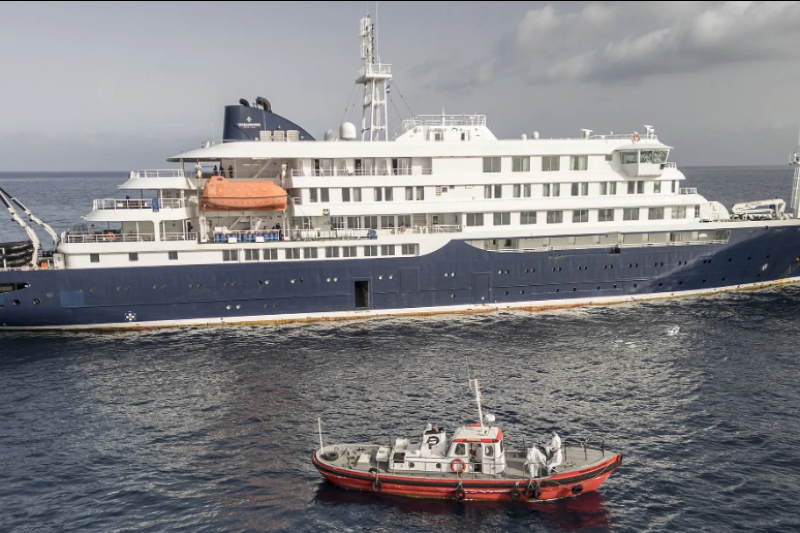
A Dutch-operated expedition cruise ship, the MV Hondius, has been redirected toward Spain’s Canary Islands following a serious hantavirus outbreak among passengers and crew. Spanish health authorities confirmed that urgent medical evacuations were underway as concerns mounted over the health of those still onboard.
The vessel, which departed from Argentina roughly a month ago, reported multiple suspected and confirmed infections linked to hantavirus—a disease typically transmitted through contact with infected rodents. The situation escalated after three passengers died during the voyage, raising alarms among international health agencies.
Critical Medical Evacuations Underway
Spanish officials, working alongside the World Health Organization, have coordinated the evacuation of several critically ill individuals. Among them are two crew members, including the ship’s doctor, and another passenger connected to one of the deceased.
These evacuations are being carried out via specialized medical aircraft from Cape Verde, where the ship had temporarily docked. Authorities noted that Cape Verde lacked the capacity to handle such a complex medical situation, prompting the decision to transfer patients to Spain’s Canary Islands for advanced care.
Passengers Remain Under Strict Isolation
Approximately 149 passengers from 23 countries remain aboard the vessel under stringent health protocols. The ship’s operator, Oceanwide Expeditions, confirmed that strict containment measures are in place to limit further spread.
The ship is now expected to arrive in either Gran Canaria or Tenerife within days, where Spanish health teams are preparing specialized facilities. Officials emphasized that all interactions with passengers will occur in controlled environments designed to prevent exposure to the local population.
Understanding the Risk
According to the World Health Organization, hantavirus infections are rare but can be severe. While the virus is most commonly spread through contact with rodent droppings or urine, limited human-to-human transmission can occur in extremely close-contact situations.
So far, seven cases have been identified onboard—two confirmed and five suspected. Health experts stress that the risk to the general public remains low, especially with containment measures in place.
Spain Steps In with Emergency Response
Spain’s health ministry stated that it has both a “moral and legal obligation” to assist those affected, particularly as several passengers are Spanish nationals. Upon arrival, all individuals will undergo medical screening, receive necessary treatment, and eventually be repatriated to their home countries.
Authorities also confirmed that healthcare workers involved in the response will operate under strict safety protocols to minimize any risk of infection.
A Voyage Turned Crisis
What began as a scientific and exploratory voyage across the Atlantic has turned into a high-stakes public health emergency. The incident underscores the challenges of managing infectious diseases in isolated environments like cruise ships, where containment can be particularly difficult.
As the MV Hondius approaches the Canary Islands, global health officials continue to monitor the situation closely, aiming to prevent further loss of life and ensure the safe return of all passengers.