
Global Energy Markets Shaken as Iran Strikes Qatar and Saudi Arabia; US Jets Down in Kuwait
Tensions in the Middle East reached a fever pitch on Monday as Iran launched retaliatory strikes against critical energy infrastructure in Qatar and Saudi Arabia.
The attacks have sent shockwaves through international markets, with natural gas prices spiking by as much as 42% during intraday trading.
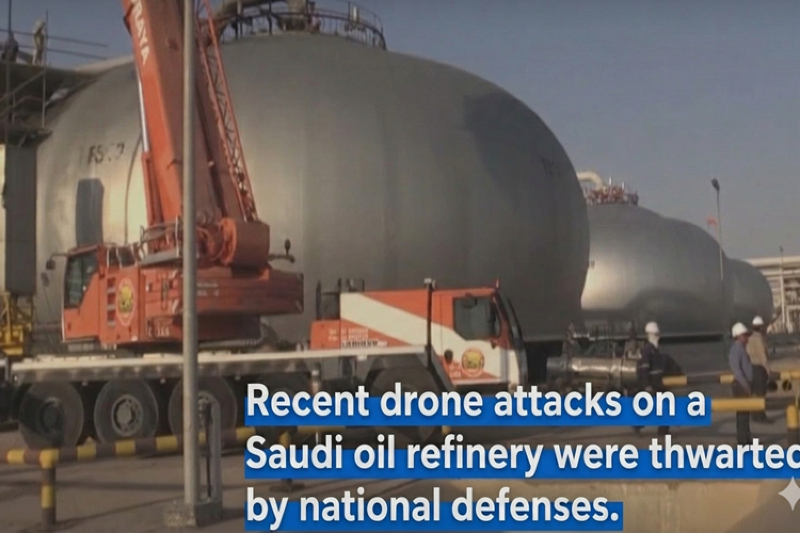
In Qatar, reports confirmed a major strike on a primary gas liquefaction plant, while in Saudi Arabia, authorities battled a significant blaze at an oil refinery.
While Saudi officials stated the fire is now "under control," the dual strikes on the world’s energy heartland have sparked fears of a prolonged global supply crisis.
US Military Faces Losses and "Friendly Fire"
The conflict has also taken a heavy toll on American forces. The Pentagon confirmed that a fourth U.S. service member has died from injuries sustained during Iran’s initial wave of attacks.
Simultaneously, a bizarre and tragic incident unfolded in Kuwait. Several U.S. fighter jets crashed in what military officials are labeling an "apparent friendly fire incident."
Dramatic footage captured one aircraft plummeting to the ground, though the specific cause of the tactical error remains under investigation.
Leadership Vacuum in Tehran
These escalations follow a massive joint U.S.-Israeli operation on Saturday that targeted Tehran.
In a further blow to the regime, state television reported today that Khamenei’s wife, Mansoureh Khojaste Bagherzadeh, was also killed in the strikes, along with several other family members.
Despite the intensity of the campaign, dubbed Operation Epic Fury, U.S. Defense Secretary Pete Hegseth maintained that the goal is not a "permanent occupation."
"This is not Iraq; this is not endless," Hegseth told reporters, framing the mission as a "generational opportunity" to reshape regional security.
Regional Fallout
The violence continues to bleed across borders:
Lebanon: The Health Ministry reported at least 31 deaths following Israeli airstrikes in Beirut and southern Lebanon.
Israel maintains it is targeting Hezbollah positions in response to ongoing rocket fire. Cyprus: UK forces intercepted two drones targeting a British military base, highlighting the widening geographic scope of the hostilities.
Iraq & UAE: U.S. embassies have ordered personnel and citizens to "shelter in place" amid reports of drones and missiles traversing Iraqi airspace.
Meanwhile, Dubai’s international airport is attempting a limited resumption of flights following significant weekend disruptions.
Political Friction in the West
The crisis has also strained the "Special Relationship" between the U.S. and the UK. President Donald Trump criticized British Prime Minister Keir Starmer for a perceived delay in allowing the U.S. to use UK bases for strikes, suggesting Starmer was over-indexed on "legality."
Downing Street defended the timeline, citing the need to evaluate threats to British interests before committing military assets. Prime Minister Starmer is expected to address Parliament later today to clarify the UK's involvement.