
FBI Joins Probe into ‘Unexplained’ Scientist Deaths as New Case Emerges in Alabama
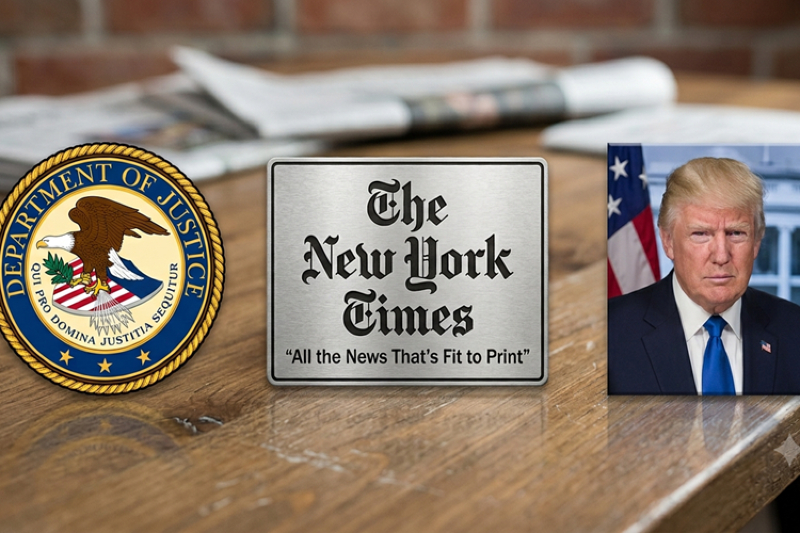
WASHINGTON / HUNTSVILLE – The White House has formally expanded its investigation into a series of mysterious deaths and disappearances involving high-level U.S. researchers, with President Donald Trump vowing to provide "definitive answers" within days.
The probe gained fresh momentum Friday as the death of an Alabama-based aerospace scientist was officially cited as the 11th case in a troubling string of incidents linked to sensitive government secrets.
The 11th Case: Amy Eskridge
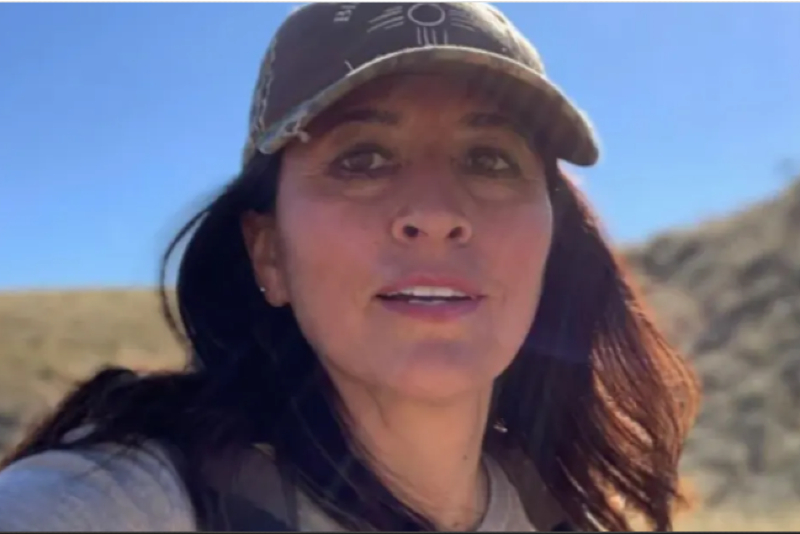
The resurfacing of the 2022 death of Amy Eskridge, 34, has sent shockwaves through the scientific community. A resident of Huntsville—a primary hub for NASA and U.S. military defense research—Eskridge was a co-founder of the Institute for Exotic Science. Her work reportedly focused on revolutionary propulsion technologies, which she frequently referred to as "antigravity" research.
Before her death, which was officially recorded as a self-inflicted gunshot wound, Eskridge gave haunting interviews describing a pattern of harassment and sabotage. "If you stick your neck out in private, they will bury you," she told a YouTuber in 2020. "They will burn down your house while you’re sleeping in your bed, and it won’t even make the news."
A Growing List of "Unusual" Circumstances
The White House and the FBI are now "holistically reviewing" Eskridge’s case alongside ten other researchers who have died or vanished recently. These individuals were all tied to U.S. military, nuclear, or aerospace sectors:
MIT Physicist Nuno Loureiro: Gunned down in his apartment near the university.
Retired Air Force Maj. Gen. William "Neil" McCasland: A high-ranking figure with access to top-secret aerospace data.
Los Alamos Personnel: Melissa Casias and Anthony Chavez, both linked to the sensitive National Nuclear Security Administration (NNSA).
NASA Specialists: Including Monica Jacinto Reza, Frank Maiwald, Michael David Hicks, and astrophysicist Carl Grillmair.
Contractors & Pharma: Steven Garcia, a defense contractor, and Jason Thomas, a pharmaceutical scientist.
White House Press Secretary Karoline Leavitt confirmed on X that the administration is working with the FBI to "identify any potential commonalities" across these cases. "No stone will be unturned in this effort," Leavitt stated.
The Administration's Response
President Trump addressed the crisis on Thursday, describing a high-level briefing he had just attended on the matter. "I hope it’s random, but we’re going to know in the next week and a half," the President told reporters, categorizing the situation as "pretty serious."
The Department of Energy’s National Nuclear Security Administration (NNSA) has also confirmed its own internal investigation into reports involving employees at its labs and plants.
Pattern of "Disappearing" Breakthroughs
The investigation is focusing on a theory raised by several of the deceased scientists before their deaths: that researchers who achieve unconventional technological breakthroughs are pressured to move their work out of the public domain or face escalating aggression.
While authorities emphasize that there is currently no physical evidence linking these 11 deaths to a singular conspiracy, the overlap in their professional fields—specifically nuclear energy, propulsion, and aerospace—has fueled significant public concern and demands for transparency from Capitol Hill.