
Eid-ul-Fitr 2026: Global Moon Sighting Updates and Celebration Dates
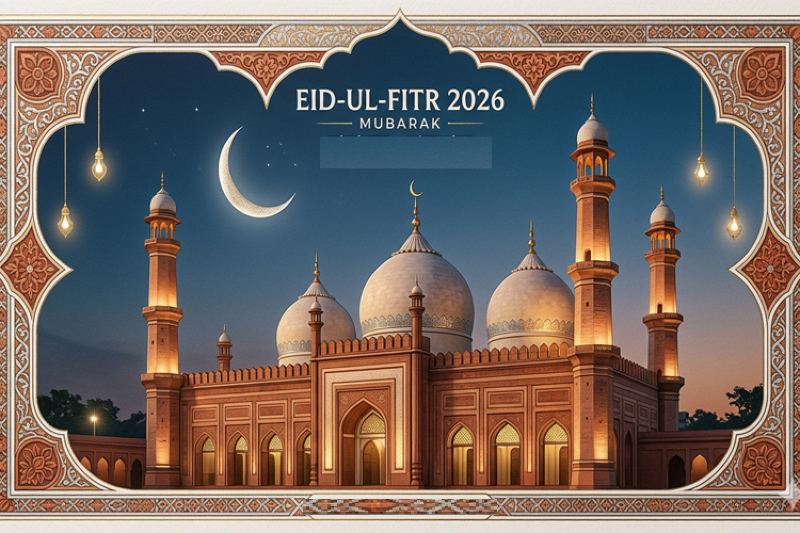
The holy month of Ramadan is drawing to a close as millions of Muslims worldwide prepare for Eid-ul-Fitr 2026.
Following official moon-sighting reports, the festival will be celebrated on different days across the globe, dictated by the lunar calendar and regional crescent observations.
Saudi Arabia and Middle East
Saudi Arabia’s Supreme Court has officially announced that Eid-ul-Fitr will be celebrated on Friday, March 20, 2026.
The Shawwal crescent was not sighted on Wednesday evening, meaning Ramadan will complete a full 30-day cycle. Similar declarations have been made by several Gulf nations, confirming Friday as the first day of Shawwal.
Bangladesh
In Bangladesh, the National Moon Sighting Committee is scheduled to meet on Thursday evening. Based on the decision in Saudi Arabia, Eid-ul-Fitr 2026 in Bangladesh is expected to fall on Saturday, March 21.
If the moon is not spotted locally on Thursday night, the country will complete 30 days of fasting, leading to a Saturday celebration. The main Eid jamaat is currently scheduled for 8:30 am at the National Eidgah.
India and Pakistan
Authorities in India and Pakistan are monitoring the horizon today, March 19. If the crescent is sighted this evening, Eid will be observed on Friday; however, most regional experts anticipate that the festival will likely be celebrated on Saturday, March 21, aligned with the 30-day completion of Ramadan.
United States and Canada
Muslim communities in North America, including the United States and Canada, are largely expected to mark the holiday on Friday, March 20, following the astronomical calculations and sightings confirmed in the Middle East.
Various Islamic centers across both nations have already begun coordinating logistics for large-scale congregational prayers in public parks and convention centers. This synchronized celebration allows the diverse North American Muslim diaspora to unite in festivities that mark the successful completion of the fasting month.
President Trump and First Lady Melania Extend Warm Greetings
In a formal statement released by the White House, President Donald Trump and First Lady Melania Trump have extended their warmest wishes to Muslims celebrating across the United States.
The President noted that Eid-ul-Fitr brings together families and communities in reflection and celebration, highlighting the festival as an occasion that underscores the American principle of religious freedom. "The First Lady and I send our best wishes to every American celebrating," the statement concluded.
Regional Conflicts and Economic Impact
While Eid is typically a time of joy, the 2026 celebrations are occurring under a shadow of geopolitical tension and economic strain in several regions.
Humanitarian Crisis in Gaza and Lebanon
In Gaza, families are attempting to find moments of peace despite a fragile ceasefire. Displacement remains a major hurdle, with many residents celebrating in tents.
Similarly, in Lebanon, the joy of the season has been dampened by widespread displacement and the ongoing threat of conflict, leaving many unable to afford traditional sweets or new clothes.
Economic Strain in Pakistan
In Karachi, the festive spirit is being tested by soaring inflation. Due to global supply chain disruptions and rising fuel costs—with petrol prices exceeding 320 rupees per litre—daily earners like delivery riders report significantly lower net income, making it difficult to afford the traditional "Eidi" and holiday treats.
Diplomatic Tidings: Pak-Afghan Ceasefire
In a positive development, Pakistan and Afghanistan have agreed to a temporary ceasefire from March 19 to March 24. This pause in fighting, requested by nations including Saudi Arabia and Turkey, allows citizens in the border regions to offer Eid prayers in peace following a period of deadly skirmishes.