
Cuts to Science Could Delay Life-Saving Treatments – Here’s How
The annual convention of the American Association for the Advancement of Science (AAAS), one of the world’s most influential scientific bodies and publisher of the journal Science, has ignited debate after critics accused the gathering of leaning heavily into political messaging.
Held from February 12–14 at the Phoenix Convention Center, the conference featured workshops and speeches that touched on diversity initiatives, climate policy, and criticism of the Trump administration.
While supporters described the discussions as part of a broader defense of science and democratic values, detractors argued that the tone reflected increasing politicization within major scientific institutions.
Leadership Signals a “Turning Point” for Science
AAAS CEO Sudip Parikh, in his opening remarks, described the past year as “hard” for the scientific community. He criticized federal budget reductions affecting research agencies and suggested that recent political developments had caused lasting damage to scientific infrastructure.
Parikh also reiterated his opposition to the appointment of Robert F. Kennedy Jr. as Secretary of Health and Human Services, drawing applause from segments of the audience. His remarks framed the current moment as a rupture rather than a temporary setback, emphasizing resilience within the scientific community.
Critics say such statements risk reinforcing perceptions that leading scientific bodies are aligning themselves with partisan positions.
Supporters counter that science policy inevitably intersects with politics, especially when funding, public health, and environmental regulations are involved.
DEI and Identity Discussions Take Center Stage
Conference programming included sessions on race in clinical decision-making, disability and participation in higher education, and diversity in STEM fields. Gender-neutral facilities were available, and optional pronoun stickers were offered at registration.
Proponents argue that diversity, equity, and inclusion (DEI) initiatives aim to address long-standing disparities in research access and representation.
Opponents, including policy analysts from conservative think tanks, contend that identity-focused frameworks may conflict with merit-based systems and civil rights law interpretations.
The disagreement reflects a broader national conversation about the role of DEI in universities, corporations, and federal agencies.
Climate and Global Equity Themes
Several sessions examined climate change through social and historical lenses, including discussions of environmental justice and the impact of climate policy on low-income and marginalized communities. Speakers advocated for what they described as more inclusive approaches to scientific solutions.
Critics argue that blending activism with research risks undermining public trust in scientific neutrality. Advocates respond that addressing global challenges such as climate change inherently involves policy, ethics, and equity considerations.
International Participation Raises Security Questions
Another focal point was the presence of international research institutions, including China’s Chinese Academy of Sciences.
Amid ongoing concerns among U.S. lawmakers about research security and intellectual property, some observers questioned whether stronger vetting measures are necessary.
AAAS representatives stated that the meeting welcomes a broad spectrum of global scientists and respects freedom of speech and academic exchange.
A Deeper Question: Is Science Becoming Partisan?
The controversy surrounding this year’s AAAS conference may signal a larger shift. Scientific organizations are increasingly navigating a polarized environment where funding decisions, public health policy, climate action, and diversity initiatives are deeply entangled with political debate.
For some attendees, the atmosphere felt less celebratory than in past years. Others viewed the candid discussions as a necessary defense of scientific independence during turbulent times.
The emerging question is not merely whether politics entered the room—but whether major scientific institutions can maintain public trust while engaging in policy debates that directly shape their future.
As global challenges intensify, the balance between advocacy and objectivity may define the next chapter for organizations like AAAS—and for the broader scientific community they represent.
AAAS, publisher of the respected journal Science, represents thousands of scientists whose work influences medicine, climate forecasting, food safety, and technology development. Decisions discussed at such conferences can shape research priorities that directly impact public life.
Why It Matters for Healthcare
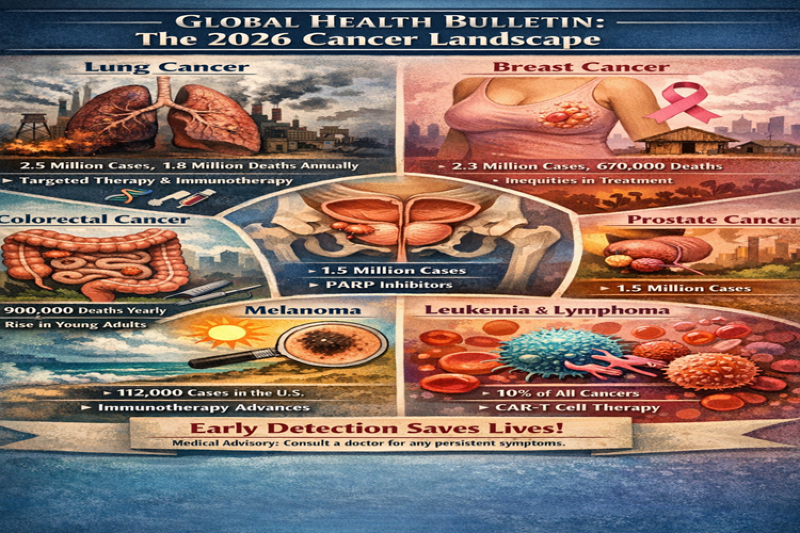
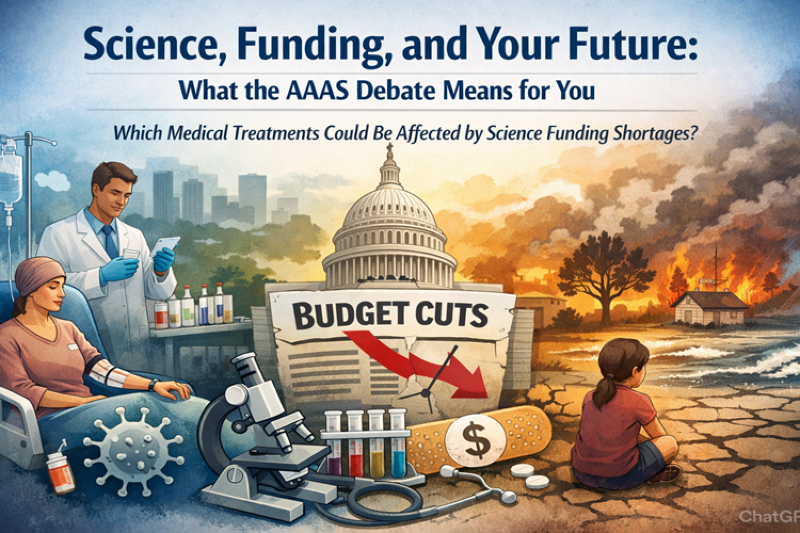
During the conference, AAAS CEO Sudip Parikh warned that federal budget reductions could significantly cut science funding. If research budgets are reduced, experts say the consequences could be felt in:
Slower development of new medicines
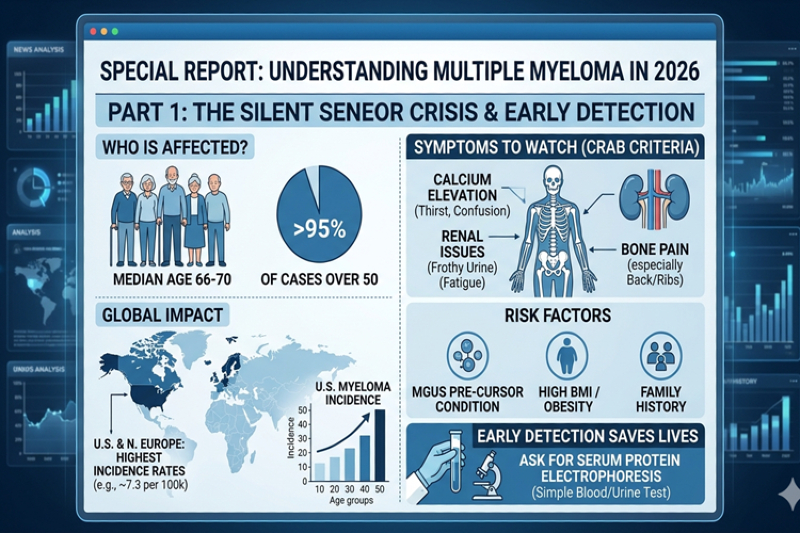
Delays in cancer and rare disease research
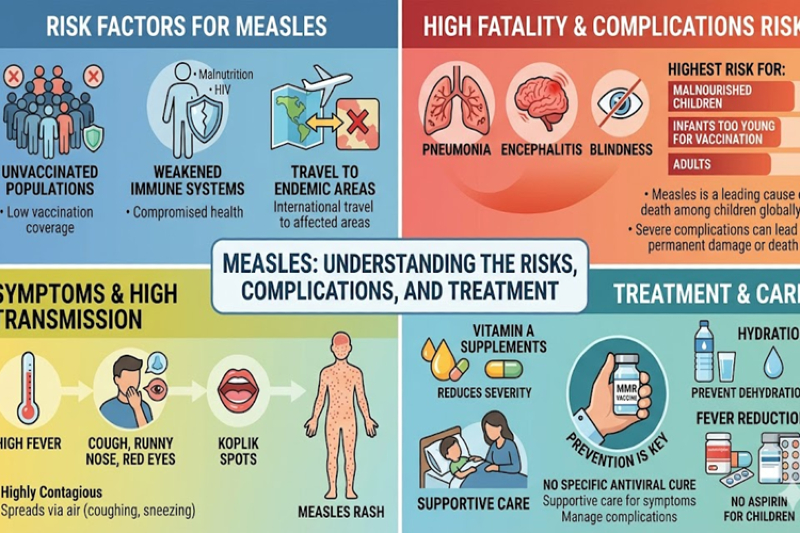
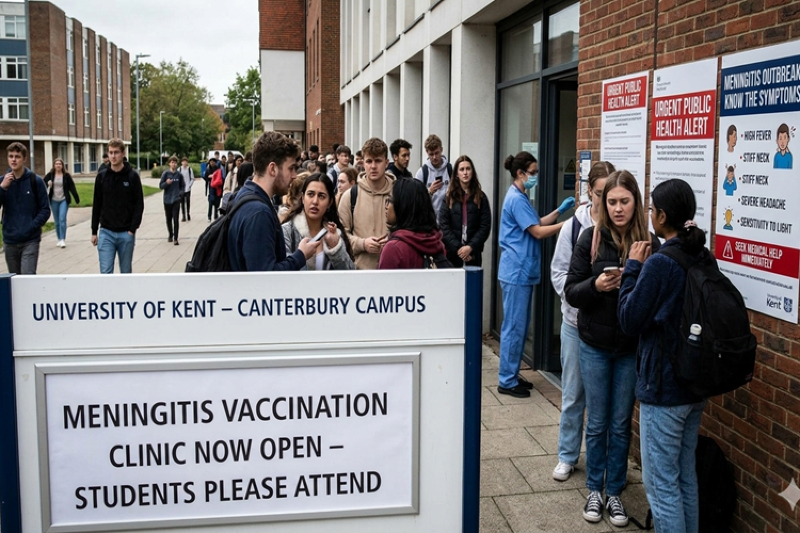
Reduced funding for vaccine development
Fewer public health studies
For families dealing with chronic illnesses or waiting for medical breakthroughs, funding decisions are not abstract political debates—they can determine access to future treatments.
Climate and Community Impact
Workshops at the event also discussed climate change and its impact on communities. Scientists linked extreme weather events, such as wildfires and heatwaves, to broader climate patterns.
For ordinary citizens, this debate affects:
Insurance costs in disaster-prone areas
Agricultural production and food prices
Water availability
Urban infrastructure planning
Whether one agrees with the political framing or not, climate research influences policy decisions that shape daily life.
Diversity in Science: Opportunity or Distraction?
Another controversial theme was diversity, equity, and inclusion (DEI) in science. Supporters argue that widening participation helps ensure that talented students from all backgrounds can contribute to innovation. Critics say too much focus on identity politics may distract from merit-based systems.
For young students and job seekers, this debate affects:
Access to scholarships
Research grants
Hiring practices in universities and labs
Career opportunities in STEM fields
In short, the discussion influences who gets to become tomorrow’s doctor, engineer, or scientist.
Public Trust at Stake
Perhaps the most important issue raised by critics and supporters alike is public trust. When scientific organizations appear politically aligned, some worry it could reduce confidence in research findings.
Trust matters because people rely on scientific advice for:
Vaccination decisions
Nutrition guidance
Environmental safety standards
Emergency health responses
If public confidence weakens, it could affect how communities respond to future health or environmental crises.
The Bigger Picture
The debate at the AAAS conference reflects a broader tension in the United States: science does not operate in isolation from politics, especially when funding and policy are involved.
But for ordinary citizens, the core question is simple:
Will political conflicts strengthen or weaken the scientific research that protects health, drives innovation, and secures the future?
Regardless of political views, the outcome of this debate could influence everything from hospital treatments to disaster preparedness—and ultimately shape the quality of life for future generations.
Which Medical Treatments Could Be Affected ?
The treatments that could be affected by funding shortages include:
Cancer therapies – ongoing research could slow.
Rare disease treatments – development of new therapies may be delayed.
Vaccines – including for infectious diseases, as research depends on federal funding.