
Bangladesh Begins Voting in First General Election Since 2024 Uprising
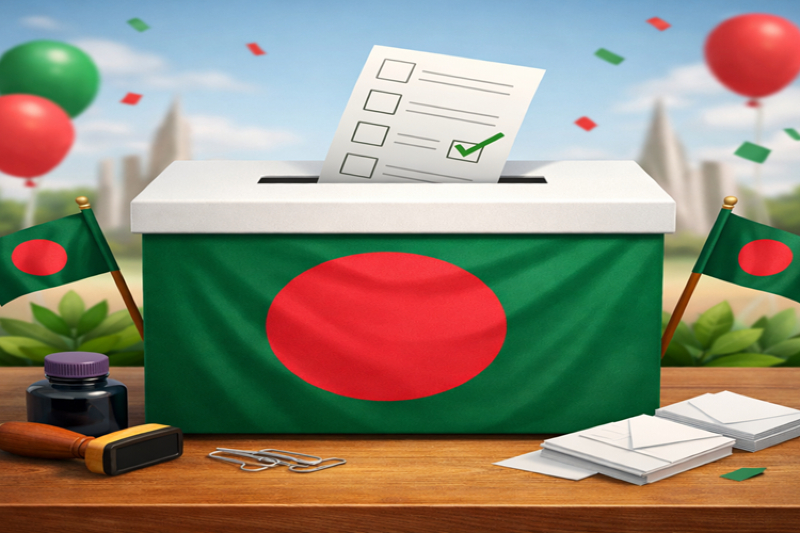
Dhaka, Feb 12, 2026: Voting has begun across Bangladesh in the country’s 13th National Parliament election and a nationwide constitutional referendum, marking the first general vote since the 2024 mass uprising that removed the Awami League government from power.
Polling started at 8:00am local time on Thursday in 299 parliamentary constituencies and will continue uninterrupted until 4:00pm.
🗳️ Where Key Leaders Cast Their Votes
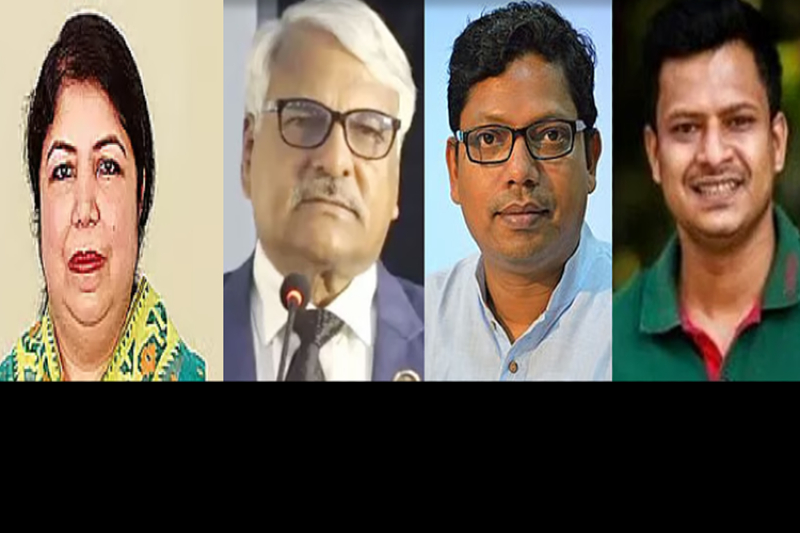
Tarique Rahman (Chairman, BNP)
Voted at Gulshan Model School and College, DhakaMirza Fakhrul Islam Alamgir (Secretary General, BNP; candidate for Thakurgaon-1)
Voted at Thakurgaon Government Girls’ High School polling centreShafiqur Rahman (Ameer, Bangladesh Jamaat-e-Islami; candidate for Dhaka-15)
Voted at Monipur High School and College, DhakaNahid Islam (Convener, National Citizen Party; candidate for Dhaka-11)
Voted at AKM Rahmatullah University College polling centre, Beraid, Dhaka
Election officials said the first two hours of voting passed peacefully, with no reports of major irregularities or violence from across the country.
More than 127 million registered voters are eligible to cast ballots. Alongside electing members of parliament, citizens are also voting “Yes” or “No” in a referendum on proposed constitutional reforms aimed at reshaping the country’s political structure.
The election comes roughly a year and a half after the July–August 2024 uprising that toppled the Awami League government, raising hopes among many voters for the formation of a newly elected administration and a reset in national politics.
Early Voting and Turnout Trends
Voters began arriving at polling centres from early morning. In many urban areas, including parts of Dhaka, the atmosphere was described as festive, with steady footfall increasing as the morning progressed.
However, some polling stations reported relatively low turnout in the early hours. At certain centres in the capital, only a handful of ballots had been cast within the first hour. Election officials expressed optimism that voter participation would increase later in the day.
In Sherpur-3 constituency, voting was suspended due to the death of a candidate. Elections are otherwise being held in 299 seats nationwide.
Total Voters and Youth Factor
The Election Commission has confirmed that more than 127.7 million voters are registered for this election. Of them, over 50 million are aged between 18 and 37, making young voters a decisive demographic.
Women account for nearly half of the total electorate, and analysts believe both youth and female voters could significantly influence the final outcome.
Key Participating Parties
A total of 50 registered political parties are contesting the election. Major participating parties include:
Bangladesh Nationalist Party (BNP)
Bangladesh Jamaat-e-Islami
National Citizen Party (NCP)
Jatiya Party
Islami Andolan Bangladesh
Several smaller alliances and independent candidates
The Awami League, one of the country’s oldest political parties, is not participating after its registration was suspended following the 2024 political upheaval.
Status of Awami League:
The Awami League is not participating in this election.
Its registration was suspended following the 2024 political upheaval.
The party has been barred from political activities pending legal proceedings.
As a result, it is absent from the ballot in the 13th parliamentary election.
Main Candidates and Party Leaders
Tarique Rahman (BNP)
Chairman of the BNP and widely viewed as a prime ministerial frontrunner, Tarique Rahman cast his vote in Dhaka. The BNP is considered a leading contender in this election.
BNP Secretary General Mirza Fakhrul Islam Alamgir, contesting from Thakurgaon-1, voted in his constituency and described the election as a turning point for Bangladesh’s democratic future. He said the vote would determine the direction of national politics in the years ahead.
Shafiqur Rahman (Jamaat-e-Islami)
Jamaat-e-Islami chief Shafiqur Rahman, a candidate from Dhaka-15, cast his ballot in the capital. After voting, he expressed hope that the election would usher in a new chapter and lead to the formation of a government representing all citizens rather than any individual or party interest.
Nahid Islam (National Citizen Party – NCP)
National Citizen Party convener Nahid Islam, contesting from Dhaka-11 as part of an 11-party electoral alliance, voted in the capital early in the morning. He said the alliance was formed with the goal of forming a government and pledged to accept the public mandate if the election is conducted fairly.
Dual Ballots: Parliamentary Vote and Referendum
Each voter is receiving two ballots:
A white ballot to elect a Member of Parliament.
A pink ballot for the constitutional referendum.
The proposed reforms — often referred to as the July Charter — include introducing term limits for the prime minister, enhancing women’s representation in parliament, and establishing a bicameral legislature with a 100-member upper house. If approved, future constitutional amendments would require support from the upper chamber.
Political Context
The election follows the dramatic events of 2024, when student-led protests over civil service job quotas escalated into nationwide demonstrations against the Awami League government. According to United Nations estimates, up to 1,400 people were killed during the unrest.
Following the departure of then-Prime Minister Sheikh Hasina, an interim government led by Nobel Peace Prize laureate Muhammad Yunus took charge, pledging to restore democratic order and oversee fresh elections.
Today’s vote is widely regarded as a critical test of Bangladesh’s political transition and democratic recovery after years of deep polarisation and instability.
As polling continues until 4:00pm, attention now turns to voter turnout and whether the election will deliver a clear and widely accepted mandate for the country’s next government.