
US-Iran Draft 60-Day Ceasefire: Trump Urges Patience as Disagreements Persist Over Nuclear Disposal
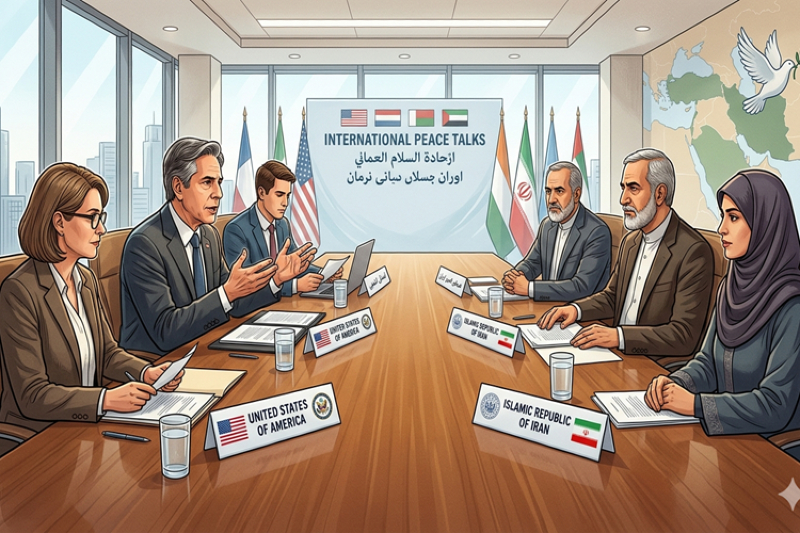
WASHINGTON D.C. / TEHRAN — As diplomatic negotiations between the United States and Iran reach a critical stage, President Donald Trump has signaled a measured approach to finalizing a potential peace framework.
While reports indicate "significant progress" toward a 60-day ceasefire, the path to a comprehensive agreement remains fraught with complex nuclear and regional security challenges.
The Proposed Framework
The developing Memorandum of Understanding—reportedly mediated by Pakistan—seeks to stabilize the region following months of heightened conflict. Key pillars of the draft deal currently under review include:
Maritime De-escalation: A proposal to reopen the strategic Strait of Hormuz for international shipping. In exchange for Iran committing to clear naval mines and waive transit tolls, the U.S. would lift its blockade on Iranian ports.
Nuclear Oversight: Senior U.S. officials report that Iran has agreed in principle to dispose of highly enriched uranium.
President Trump and Prime Minister Benjamin Netanyahu have emphasized that any final settlement must dismantle Iran’s nuclear enrichment infrastructure to ensure no nuclear weapons are developed.Structured Dialogue: The agreement is intended to create a "time-limited" window for substantive negotiations on curbing Iran’s long-term nuclear ambitions.
A Cautious Diplomatic Path
Despite the momentum, President Trump has instructed his negotiating team to avoid rushing the process, stating on social media that "both sides must take their time and get it right".
The U.S. blockade on Iranian ports is set to remain in "full force and effect" until a formal agreement is signed and certified.
Secretary of State Marco Rubio, speaking from New Delhi, reaffirmed that the U.S. remains committed to diplomacy but is prepared to pursue "another way" should these negotiations fail to achieve a secure outcome.
Regional Security and Remaining Friction
The potential deal has been met with both optimism and skepticism across the Middle East:
Hezbollah Stance: Hezbollah Secretary-General Naim Qassem has explicitly rejected calls to disarm the group, framing such demands as a "prelude to extermination" and maintaining the organization’s defensive posture.
Israeli Concerns: Israeli officials have expressed apprehension regarding the draft, noting concerns that it may not fully address long-term security threats or dismantle Iranian nuclear capabilities to the degree desired by the Israeli government.
Ongoing Conflict: Military tensions persist. The Israel Defense Forces (IDF) reported the loss of Sgt. Nehoray Leizer, 19, during combat operations in southern Lebanon on Monday, underscoring the volatility of the region despite ongoing ceasefire talks.
As regional powers assess the proposal, the IDF has begun a strategic reduction in mobilized reservists while maintaining a state of high alert.
With the nuclear file largely deferred to future negotiations, the focus remains on securing immediate stability in the Strait of Hormuz and establishing a lasting cessation of hostilities.