

UK Government Moves to Block Prince Andrew from Throne Amid Police Probe
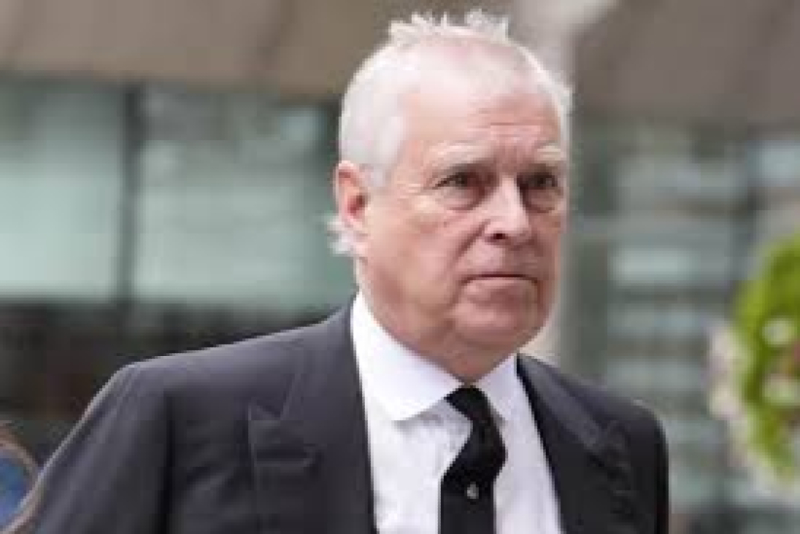
The UK government is preparing potential legislation that could permanently remove Prince Andrew from the royal line of succession, marking one of the most dramatic constitutional developments in recent royal history.
Defence Minister Luke Pollard confirmed that discussions are underway between ministers and Buckingham Palace regarding legal steps that would prevent Andrew from ever ascending the throne. Although he is currently eighth in line, mounting political pressure and an ongoing police investigation have intensified calls for change.
Andrew, the brother of King Charles III, was previously stripped of his honorary military roles and royal duties following controversy surrounding his association with convicted financier Jeffrey Epstein. Most recently, he was arrested on suspicion of misconduct in public office and later released under investigation. He has firmly denied all allegations.
According to government sources, any move to alter the line of succession would require an Act of Parliament. Such legislation would need approval from both the House of Commons and the House of Lords, followed by royal assent. In addition, because King Charles III serves as head of state in 14 Commonwealth realms—including Canada, Australia, Jamaica, and New Zealand—those nations would also need to consent to the changes.
Political reaction has been mixed. The Liberal Democrats and the Scottish National Party have signaled support for removing Andrew from the succession if necessary. Some Labour MPs have also voiced backing for reform, though others question whether the measure is essential given Andrew’s distant position in the royal order.
Constitutional experts note that changes to royal succession are rare. The most recent reform came with the Succession to the Crown Act 2013, which modernized rules around marriage to Catholics. The last removal from succession occurred in 1936 following King Edward VIII’s abdication.
Buckingham Palace has not issued a public statement on the proposed plans.
If enacted, the legislation would not only remove Andrew from the succession but also end his eligibility to serve as a Counsellor of State—a role that allows senior royals to carry out official duties on behalf of the monarch when required.
As investigations continue, the debate highlights growing scrutiny of royal accountability and the evolving relationship between the monarchy and Parliament.