
Trump Says US Bombed Iran’s Kharg Island, Warns Oil Facilities Could Be Next Target
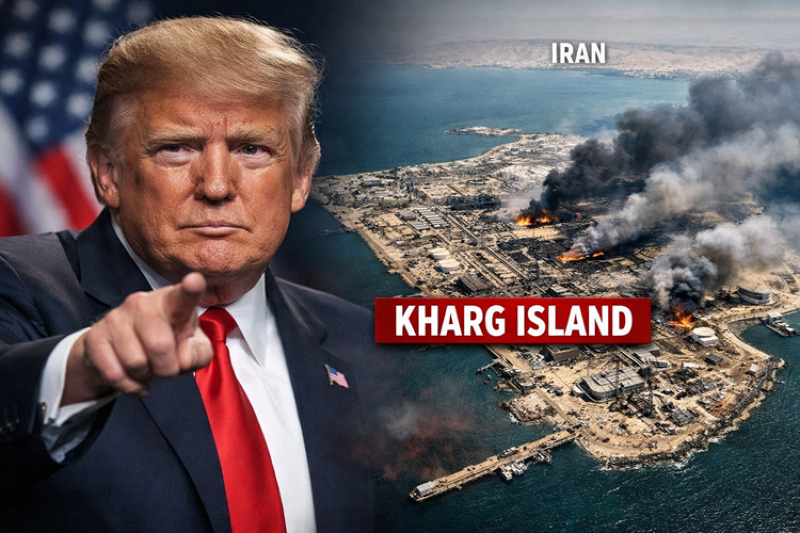
The United States has carried out a major airstrike on Iran’s strategically critical Kharg Island, escalating tensions in the Middle East and raising fears about potential attacks on vital oil infrastructure in the region.
US President Donald Trump said American forces struck multiple Iranian military targets on the island in what he described as one of the most powerful bombing operations conducted in the region.
According to Trump, the operation destroyed several military installations but deliberately avoided targeting oil facilities.
Kharg Island, located in the Persian Gulf off Iran’s southwest coast, is the country’s largest oil export terminal and a crucial hub for its energy trade.
Strategic Oil Hub Under Attack
The island plays a key role in Iran’s economy. Nearly 90 percent of Iran’s crude oil exports are shipped through Kharg Island, with much of the supply heading to Asian markets including China and India.
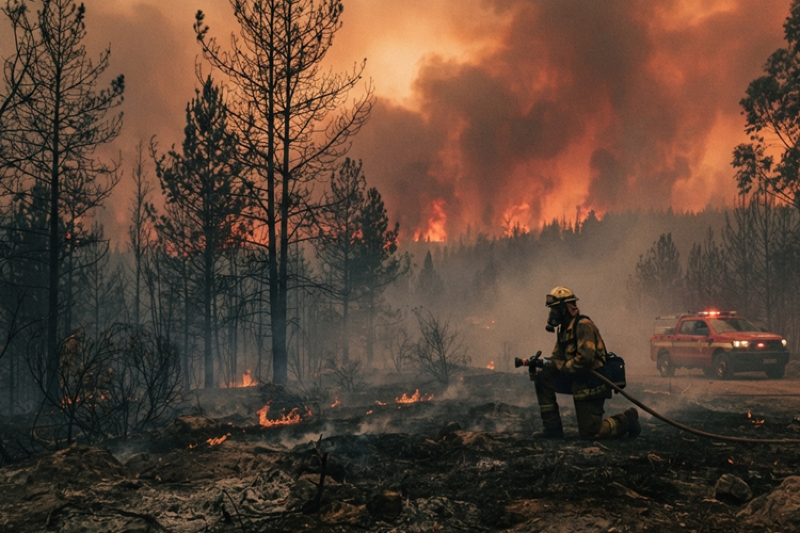
Despite the strike, Iranian sources said oil infrastructure on the island remained intact. Reports from Iranian media indicated that several explosions were heard during the attack and smoke was seen rising from parts of the island, though military operations resumed shortly afterwards.
Trump warned that US restraint could change if Iran threatens global shipping routes.
He stated that American forces intentionally avoided destroying oil facilities but could reconsider that decision if Iran interferes with maritime traffic through the Strait of Hormuz, one of the world’s most important energy corridors.
Tehran Warns of Retaliation
Iranian officials issued a strong response following the strikes. A statement from the country’s military command warned that any attack on oil facilities in Kharg Island would trigger retaliation against energy infrastructure linked to the United States across the Gulf region.
Officials said such retaliation could target installations in neighboring states if Iranian oil exports are disrupted.
The escalating threats have raised fears of a wider regional conflict that could impact global energy supplies.
Rising Regional Tensions
The crisis is unfolding alongside several other security incidents across the Middle East.
In Qatar, air defense systems reportedly intercepted a missile projectile near the capital Doha, while explosions were heard in parts of the city. Authorities later confirmed that the threat had been neutralized.
Meanwhile, reports from Iraq indicated smoke rising near the US embassy in Baghdad after a suspected attack, though details remain unclear.
Elsewhere in the Gulf, debris from an intercepted aerial attack reportedly struck a building in Dubai without causing injuries.
Global Energy Markets on Edge
The confrontation has already begun to affect international energy markets. Oil prices surged above $100 per barrel earlier this week amid concerns that conflict near the Persian Gulf could disrupt shipping through the Strait of Hormuz.
The narrow waterway carries roughly one-fifth of the world’s oil and liquefied natural gas supplies, making it one of the most sensitive chokepoints in global energy trade.
Analysts warn that any prolonged conflict involving Iran, the United States and regional allies could significantly disrupt oil flows and trigger broader economic shocks worldwide.