

Japan’s Governing Party Projected to Win Snap Election Majority
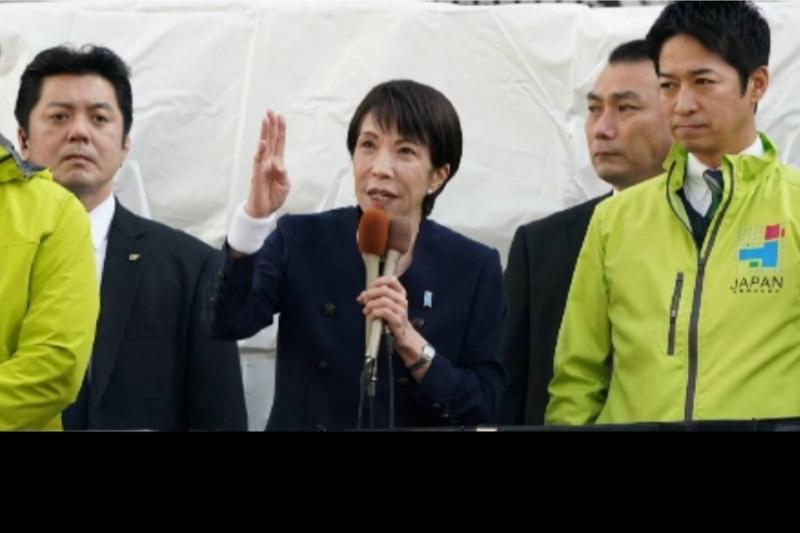
Feb 8, 2026: Japan’s snap election, called by Prime Minister Sanae Takaichi, has concluded with projections indicating a strong victory for her Liberal Democratic Party (LDP).
This marks a crucial moment for Japan’s first female prime minister, who is seeking a clear public mandate just four months after taking party leadership.
The LDP’s expected success contrasts with recent struggles under previous leaders, when corruption scandals and rising living costs contributed to the party losing its parliamentary majority.
Historically, LDP-led coalitions have dominated Japanese politics due to the absence of a strong opposition.
Despite initial concerns over a recent loss of majority and the collapse of the coalition with the Komeito Party, Takaichi’s personal popularity appears to have energized voters.
Polls suggest that the current coalition with the Japanese Innovation Party could secure up to 300 of the 465 seats in the lower house.
Voters cited concerns over inflation, housing affordability, and the cost of living as major factors influencing their choices.
Many younger voters braved rare snowfall in Tokyo, part of the first mid-winter election in 36 years, to participate in the vote.
Transportation disruptions, including closed train lines, ferries, and flight cancellations, did not deter participation.
Takaichi’s platform emphasized populist spending promises, nationalist rhetoric, and increased defence expenditure—positions that have attracted some voters but raised concerns among critics about Japan’s high government debt and labour shortages.
Opposition parties, including a coalition of Komeito and the Constitutional Democratic Party, remain a significant challenge, forming the largest bloc in the lower house.
Observers say the election outcome will influence Japan’s domestic policies, economic strategies, and international relations in the coming years.