
Trump Signs Executive Order Targeting Nations Trading with Iran
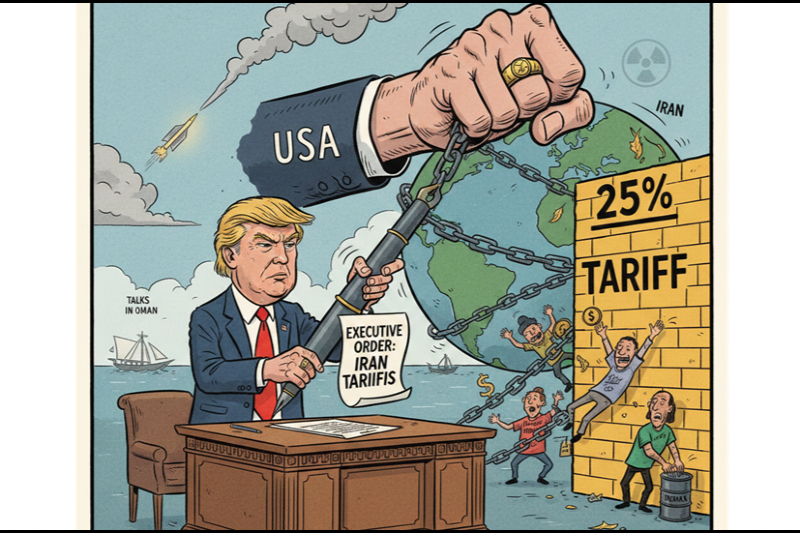
Feb 7, 2026: In a major move to isolate Tehran, U.S. President Donald Trump signed an executive order on Friday, February 6, 2026, threatening to impose steep tariffs on any country that continues to engage in trade with Iran.
The order, which reaffirms an "ongoing national emergency," grants the U.S. government the authority to levy a 25% tariff on goods imported from nations that "directly or indirectly" purchase services or products from the Islamic Republic.
While the order lists 25% as a primary example, it gives the administration flexibility to modify rates based on shifting geopolitical circumstances.
Diplomatic Pressure and Military Leverage
The announcement coincided with high-stakes indirect talks in Oman, the first formal diplomatic engagement between the two nations since the U.S. conducted military strikes on Iranian nuclear facilities in June 2025.
Representing the United States in Muscat were:
Steve Witkoff: U.S. Special Envoy.
Jared Kushner: The President's son-in-law and senior advisor.
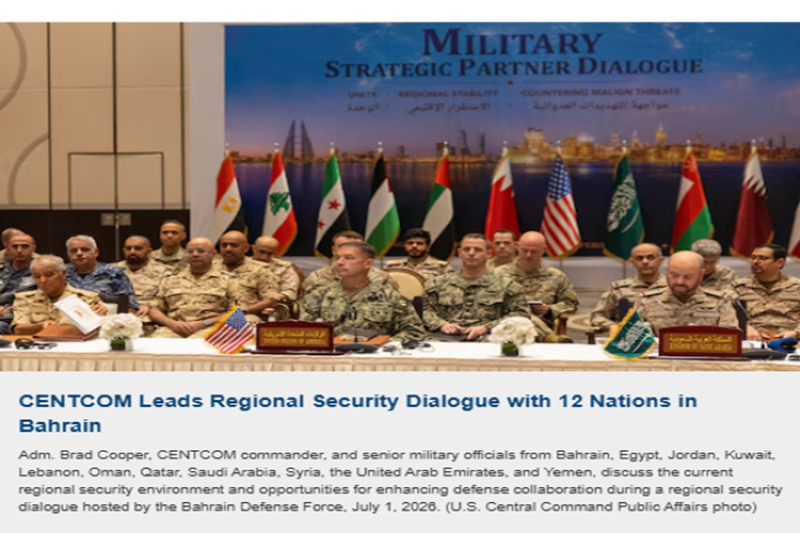
Admiral Brad Cooper: Commander of U.S. Central Command (CENTCOM), whose presence signaled that military options remain on the table.
Speaking from Air Force One, President Trump described the initial discussions as "very good," but maintained a firm stance on his "no nuclear weapons" policy. "If they don't make a deal, the consequences are very steep," Trump warned.
A Region on Edge
The executive order follows a period of intense volatility. In January 2026, Iran was rocked by nationwide anti-government protests, which were met with a violent state crackdown.
Key Contextual Factors:
Economic Ultimatum: Trump first floated the 25% "secondary tariff" on Truth Social in mid-January, aiming to force major trading partners like China and India to choose between Iranian oil and U.S. market access.
Nuclear Deadlock: Iran continues to claim its nuclear program is for peaceful energy, despite the 2025 U.S. "Midnight Hammer" operation that severely damaged enrichment sites at Fordow, Natanz, and Isfahan.
Oman’s Role: Omani Foreign Minister Badr Albusaidi, acting as mediator, noted that while the talks were "useful" for clarifying positions, both sides have now returned to their respective capitals for further consultation.
What Happens Next?
The Iranian delegation, led by Foreign Minister Abbas Araghchi, characterized the talks as a "good start" but emphasized that negotiations cannot succeed under a cloud of constant threats.
As the White House prepares to implement these new trade barriers, global markets are bracing for the impact on supply chains, particularly regarding nations that rely on Iranian energy exports.