
US and Iran Conclude "Serious" Nuclear Talks Without Consensus on Nuke

Feb 7, 2026: High-stakes indirect negotiations between the United States and Iran concluded on Friday (February 6, 2026), with both sides acknowledging a "serious" atmosphere but failing to reach a consensus on the future of Iran’s nuclear program.
High-ranking officials from the United States and Iran have completed a critical round of indirect discussions in the Omani capital, aimed at de-escalating a nuclear standoff that has pushed the two nations to the brink of open conflict.
The talks were described by Iranian Foreign Minister Abbas Araghchi as a "good beginning," though he cautioned that a "deep atmosphere of mistrust" still looms over the diplomatic process.
Strategic Stalemate in Muscat
Mediated by Omani Foreign Minister Badr Albusaidi, the discussions focused primarily on the technical aspects of Iran's nuclear program.
Enrichment Demands: Iran reportedly rejected a U.S. demand for "zero enrichment," refusing to halt its nuclear activities or move its existing stockpile offshore.
Scope of Talks: While the U.S. delegation—led by special envoy Steve Witkoff and Jared Kushner—sought to include Iran’s ballistic missile program and its regional proxies in the agenda, Araghchi insisted the dialogue remain "exclusively nuclear."
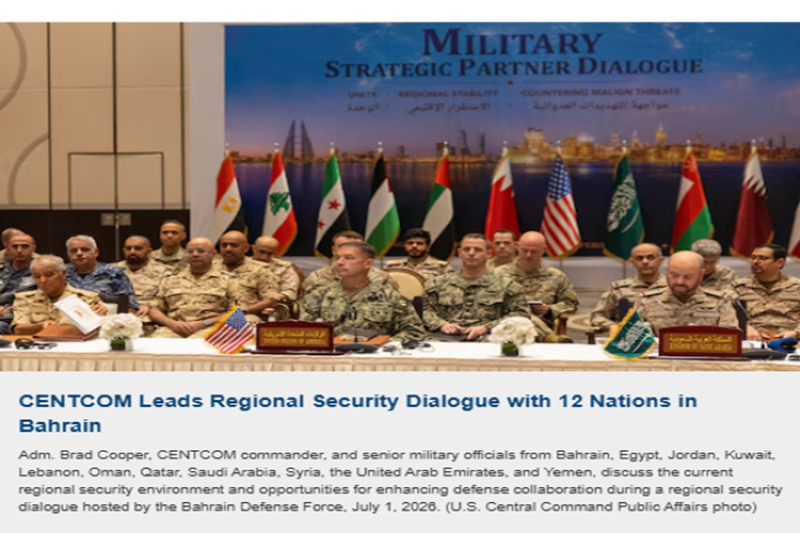
Military Presence: In a stark departure from previous diplomacy, the U.S. delegation included Adm. Brad Cooper, head of U.S. Central Command (CENTCOM), signaling that military options remain on the table.
A Backdrop of Crisis and Conflict
The meeting in Muscat follows a year of unprecedented volatility.
Domestically, the Iranian leadership is facing its most significant challenge since the 1979 Revolution.
Human Rights Impact: The Human Rights Activists News Agency (HRANA) has verified at least 6,872 deaths related to the recent protests, with over 50,000 arrests reported.
The UN and various NGOs have labeled the repression as a "massacre."
Key Players and Positions
| Representative | Country | Key Stance |
|---|---|---|
| Abbas Araghchi | Iran | Demands removal of sanctions; rejects "zero enrichment" mandate. |
| Steve Witkoff | United States | Pushes for a comprehensive deal covering missiles and human rights. |
| Badr Albusaidi | Oman | Acting as a bridge to clarify "thinking" and identify "areas of progress." |
| Donald Trump | United States | Has warned of "speed and violence" if a deal is not reached. |
The Path Forward
Despite the presence of the USS Abraham Lincoln carrier strike group off the Iranian coast and ongoing threats of military action from President Trump, both sides have agreed to return to their respective capitals for consultations.
Analysts suggest that for Iran's embattled government, these talks represent a vital "off-ramp" to avoid further U.S. strikes that could destabilize the regime. For the U.S. administration, the negotiations are a test of whether "maximum pressure" can yield a meaningful diplomatic breakthrough beyond the battlefield.
No date has been set for a second round of talks, but Omani officials indicated they aim to reconvene the parties "in due course."