
Iran Warns of Global Conflict Escalation If U.S. Military Strikes Resume
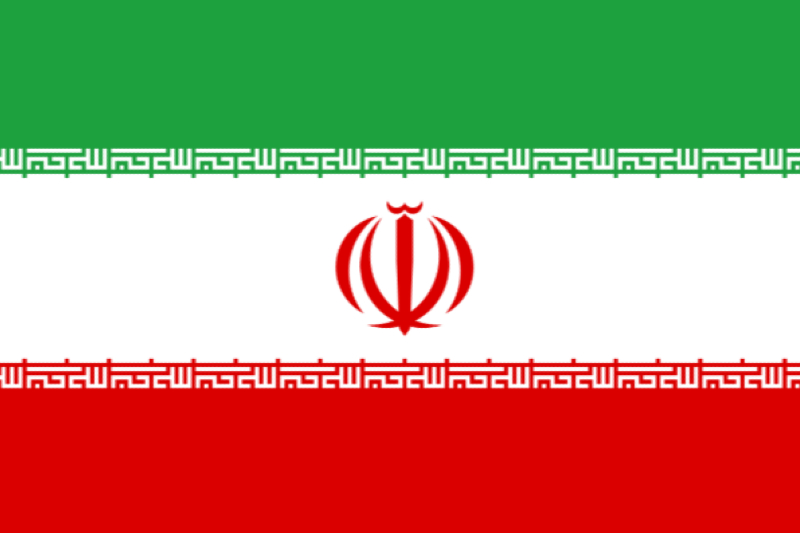
TEHRAN — Iran has issued a stark warning that any further military action by the United States would force the conflict to spill far beyond the Middle East, a significant escalation in rhetoric as diplomatic efforts remain deadlocked.
The statement from the Revolutionary Guards, broadcast on state media on Wednesday, signals a hardening stance.
Tehran has previously threatened to target regional countries hosting U.S. bases, but this latest message explicitly suggests that the scope of a potential retaliation would reach global targets.
This warning follows a tense week of brinkmanship. President Donald Trump, who has been balancing threats of renewed bombing with calls for a swift diplomatic resolution, told reporters on Tuesday that he had been "an hour away" from authorizing a fresh military campaign before opting to hold off for further negotiations.
A Diplomatic Stalemate
While back-channel communications continue—notably with Pakistani officials acting as intermediaries in Tehran—the substance of the talks remains at a standstill.
According to recent reports, Iran’s latest proposal appears to recycle terms that the White House has previously rejected, including demands for the total lifting of sanctions, the release of frozen assets, and the withdrawal of American forces from the region.
The situation has left energy markets on edge. Global oil prices have seen significant volatility, reacting to every shift in the rhetoric coming out of Washington and Tehran.
The Strait of Hormuz Crisis
The most critical flashpoint remains the Strait of Hormuz. Since the outbreak of hostilities in February, Iran has effectively blocked the waterway to most international shipping, leading to the most severe disruption to global energy supplies in modern history.
In a move to assert control, the newly formed Persian Gulf Strait Authority—an Iranian-backed body—is attempting to institutionalize the monitoring of transit, including the potential imposition of "sovereign fees" on vessels and even fiber-optic cables passing through the area.
Despite these hurdles, there are signs of limited, cautious activity:
Chinese Tankers: Two major Chinese oil tankers successfully transited the strait on Wednesday following an agreement to ease transit rules for Beijing-bound vessels.
Gradual Increase: While traffic remains a fraction of pre-war levels, shipping monitors noted roughly 54 transits last week—nearly double the count from the previous seven-day period.
Economic Pressure: The U.S. naval blockade continues to strain the Iranian economy, with reports of growing internal frustration over shortages and rising costs.
However, analysts caution that economic hardship has not yet convinced Iranian leadership to abandon their core negotiating demands.
Looking Ahead
The administration is facing mounting internal pressure to resolve the conflict, particularly as high energy prices weigh on voters ahead of November’s congressional elections.
Meanwhile, on Capitol Hill, the U.S. Senate has taken the rare step of advancing a War Powers Resolution, aiming to curb the President's authority to continue the military campaign without direct congressional approval.
As of Wednesday, the informal ceasefire—which has largely held since early April—remains precarious.