
Hegseth Declares ‘Chance at Real Peace’ as Both U.S. and Iran Claim Victory in Operation Epic Fury; Israel Escalates Lebanon Offensive
WASHINGTON D.C. / BEIRUT — U.S. Defense Secretary Pete Hegseth has characterized a newly brokered two-week conditional ceasefire with Iran as a "historic and overwhelming victory," even as both nations claim triumph and regional violence continues to flare.
The pause in hostilities follows the 38-day military campaign dubbed Operation Epic Fury, which the Pentagon asserts has "decimated" Iran’s military capabilities. However, the truce remains extremely fragile, with Israel launched its most significant air strikes in Lebanon to date, insisting that the ceasefire does not extend to its operations against Hezbollah.
"Mercy" and Military Might: The Pentagon’s Briefing
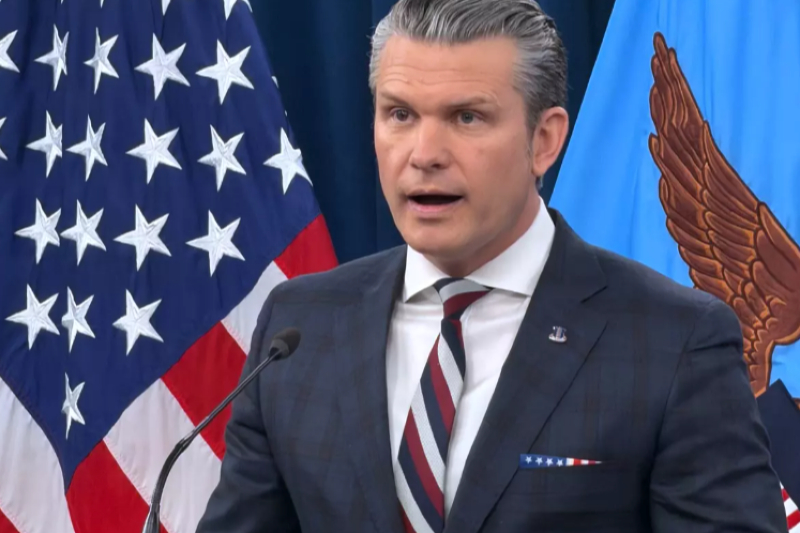
In a bombastic briefing at the Pentagon alongside General Dan Caine, Chairman of the Joint Chiefs of Staff, Secretary Hegseth praised President Donald Trump for "forging this moment" of potential peace.
Strategic Pressure: Hegseth revealed that the U.S. had "locked and loaded" targets including Iran’s power plants, bridges, and oil infrastructure. He suggested that Tehran "begged" for the ceasefire to avoid the total collapse of its domestic economy.
The "Mercy" Doctrine: "President Trump had the power to cripple Iran’s entire economy in minutes, but he chose mercy," Hegseth told reporters, framing the two-week pause as a chance for Iran to voluntarily surrender its enriched nuclear material.
Casualty Reports: Gen. Caine confirmed that during the five-week war, the U.S. struck over 13,000 targets, though he paused to honor the 13 U.S. service members killed during the campaign.
The Nuclear Showdown and the "Ceasefire" Terms
Despite the pause, the underlying conflict regarding Iran’s nuclear ambitions remains the primary friction point.
De-enrichment Demands: President Trump has stated that the U.S. will work to "dig up and remove" buried nuclear material, asserting that there will be no further enrichment of uranium.
The Midnight Hammer Precedent: Hegseth warned that if Iran does not comply with these terms during the two-week window, the U.S. reserves the right to resume strikes, citing the 2025 Midnight Hammer operation as proof of U.S. resolve to eliminate nuclear threats by force.
The Lebanon Crisis: A Fragmented Truce
While the U.S. and Iran have halted direct combat, the regional landscape remains chaotic.
Israel’s "Biggest Strikes": Within minutes of the ceasefire announcement, the IDF carried out massive strikes on 100 Hezbollah headquarters in Lebanon. Prime Minister Benjamin Netanyahu has explicitly stated that the truce with Iran "does not include Lebanon."
Conflicting Mediation: Pakistan, which served as a key intermediary for the deal, previously suggested the ceasefire was comprehensive. This discrepancy has left the Lebanese government pleading for international intervention as hospitals in Beirut and Tyre become overwhelmed with casualties.
Regional Flare-ups: Reports of continued attacks have surfaced from the UAE, Kuwait, and an oil refinery in southern Iran, suggesting that decentralized proxy groups or remote units may not yet have received or accepted the order to stand down.
The Reporter24 Special: Key Developments Tracker
| Event | Current Status | Impact |
|---|---|---|
| Operation Epic Fury | Paused | 13,000+ targets hit; Iran military "combat ineffective." |
| Strait of Hormuz | Reopening | Iran agreed to allow vessel passage; U.S. Navy remains vigilant. |
| Oil Prices | Falling Sharply | Markets reacting to the pause, though energy prices remain elevated. |
| Lebanon Front | Escalating | IDF continues "raids without stopping" against Hezbollah. |
Analysis: A "Capital V" Victory or a Fragile Pause?
While Hegseth claims a "Capital V military victory," many observers—including U.S. State Department correspondents—question if the war has achieved anything more than years of diplomacy.
Critics argue that the destruction of conventional weaponry may have emboldened hardline elements within Tehran rather than forcing a genuine transformation of the regime.
With the deadline set for mid-April, the world remains on edge. U.S. troops, as Gen. Caine noted, "remain ready" to resume operations at a moment's notice should the diplomatic window slam shut.