
🔴 LIVE • Deadline Set: US Navy to Begin Iran Port Blockade at 14:00 GMT Monday as Islamabad Peace Talks Collapse
WASHINGTON / TEHRAN — Global tensions have reached a critical breaking point as the United States military prepares to enforce a naval blockade of Iranian ports starting Monday at 14:00 GMT.
The move follows the high-profile collapse of ceasefire negotiations in Islamabad, Pakistan, leaving the world’s most vital energy corridor on the brink of renewed conflict.
The US Position: "Maximum Pressure" Returns
President Donald Trump announced the escalation via Truth Social, asserting that the U.S. Navy will interdict "any and all ships" attempting to enter or exit the Strait of Hormuz that have complied with Iran's maritime tolls.
Key points of the U.S. strategy include:
Limited Scope: U.S. Central Command (CENTCOM) clarified that the blockade specifically targets Iranian commerce. The U.S. "will not impede" vessels traveling to or from other nations in the region.
Nuclear Non-Negotiable: President Trump stated he "doesn't care" if Tehran returns to the table, claiming talks failed because Iran refused to "give up its nuclear ambitions."
Military Readiness: White House officials confirmed that "all options," including the resumption of airstrikes, remain on the table. Trump warned that the U.S. Navy is prepared to "blow to hell" any Iranian forces that attempt to interfere with the blockade.
The Iranian Standpoint: "Inches Away" from Peace
Tehran has reacted with a mixture of defiance and diplomatic frustration. Foreign Minister Abbas Araghchi claimed that negotiators were "inches away" from a Memorandum of Understanding in Islamabad before being met with U.S. "maximalism" and "shifting goalposts."
Tehran’s response includes:
Naval Warnings: The Islamic Revolutionary Guard Corps (IRGC) warned that any foreign military vessels approaching the shipping route will be "dealt with severely."
Economic Taunts: Parliamentary Speaker Mohammad Bagher Ghalibaf mocked the U.S. decision, predicting a massive spike in American fuel costs. "Soon you'll be nostalgic for $4–$5 gas," Ghalibaf posted, referencing the immediate surge of global oil prices above $100 per barrel.
Internal Resilience: Despite a near-total internet blackout since the war began on February 28, Iranian officials insist the nation will not "surrender under threats."
International Reactions and Global Impact
The escalating standoff has drawn sharp criticism and concern from around the globe:
The Vatican’s Moral Objection: Pope Leo XIV—the first American Pope—condemned Trump’s threats as "truly unacceptable," framing the crisis as a "moral question" rather than just a legal one. Trump responded by labeling the Pontiff "weak on nuclear weapons" and "terrible for foreign policy."
Israel’s Strategic Silence: While Israeli officials have not issued a formal new statement in the last 24 hours, the Israeli military remains on high alert. Previous statements from Defense Minister Israel Katz have supported the "maximum pressure" on Tehran, though Israel's primary focus remains on Hezbollah's rocket fire from Lebanon.
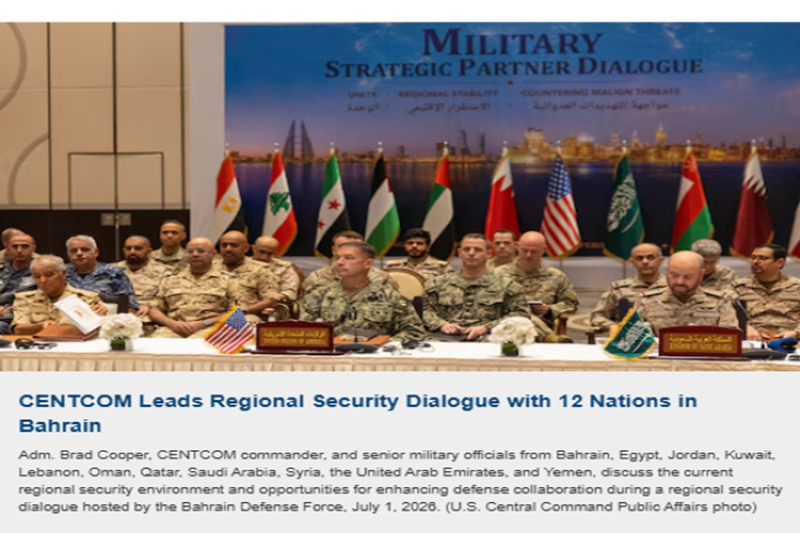
The GCC and Regional Allies: Nations in the Gulf Cooperation Council (GCC) remain deeply concerned about the blockade's impact on regional stability. While the U.S. promises not to block non-Iranian traffic, the presence of a massive naval blockade creates a "high-risk" environment for all commercial shipping.
The Human Element
Amidst the drums of war, President Trump confirmed that two U.S. airmen, rescued after their jet was shot down earlier this month, are in "very good shape."
Meanwhile, inside Iran, citizens are struggling with the internet outage, with some paying upwards of $6 per gigabyte for satellite connections—a staggering cost in a country where the average monthly salary is roughly $200.
As the 14:00 GMT deadline approaches, the global energy market remains volatile, with Brent crude climbing by 7.5%. The world now waits to see if the blockade will force a diplomatic retreat or ignite a direct naval confrontation in the Persian Gulf.
The "Zero Hour" Highlights
The US Position: President Trump has officially ordered the US Navy to blockade all Iranian port traffic starting at 14:00 GMT today (Monday).
He stated the US will "interdict every vessel" paying tolls to Tehran, though he clarified the US will not block ships traveling to/from non-Iranian ports like those in the UAE or Kuwait. The Iranian Standpoint: The IRGC claims to have "full operational control" of the waterway.
They warned that any military vessel approaching the route is a ceasefire violation and that any "wrong move" will trap the US Navy in a "deadly vortex."
Fresh Updates (April 13, 2026)
1. Global Market Shock
Oil Surges: Brent crude has officially jumped over $100 per barrel (an 8% increase) as energy markets react to the implementation of the blockade.
Stock Slide: Asian and European markets opened lower today, with South Korean and Japanese shares falling due to fears that a prolonged blockade will trigger global inflation.
2. Diplomatic Fallout & "The Pope Row"
Trump vs. The Vatican: President Trump has entered a heated social media battle with Pope Leo XIV.
After the Pope called the blockade "unacceptable" and a "moral failure," Trump labeled the Pontiff "terrible for foreign policy" and "weak on crime." Islamabad Post-Mortem: Vice President JD Vance confirmed that the US gave Tehran a "final and best offer" in Pakistan, which included demands for Iran to surrender its entire stockpile of highly enriched uranium.
Iran refused, leading to the current military escalation.
3. On-the-Ground Conditions
Mine Clearing Operations: The US Navy has begun active "mine-sweeping" in international waters of the Strait to counter what Trump called "Iranian extortion" through underwater explosives.
Internet Blackout: Reports indicate Iran remains under a near-total internet outage. Citizens are reportedly paying up to $6 per gigabyte for smuggled Starlink access to stay connected to the outside world.
Gulf Allies: While initially hesitant, several Arab states have reportedly urged the US to "neutralize" the threat to energy infrastructure following recent Iranian strikes on regional facilities.