
Strait of Hormuz Crisis: Trump Initiates Naval Blockade as Global Allies and Iran Defy Washington
WASHINGTON / TEHRAN / DUBAI — The geopolitical landscape of the Middle East has shifted into a state of "managed instability" following the collapse of the Islamabad peace summit.
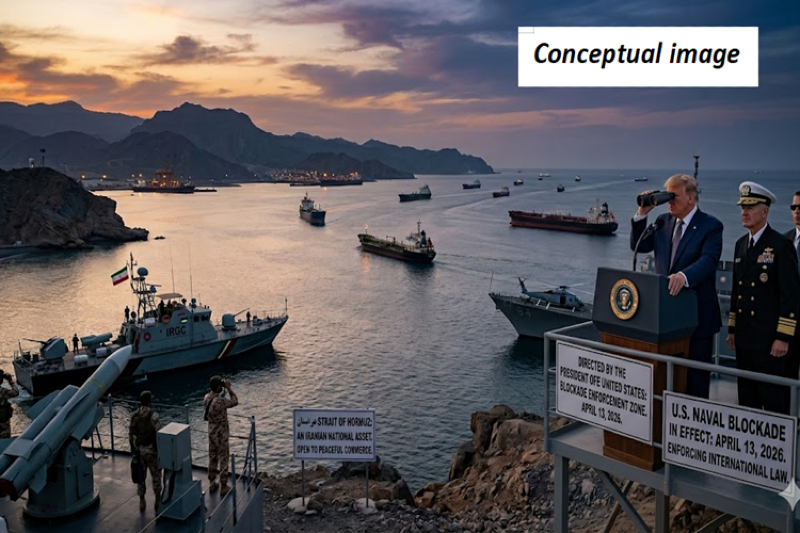
As the April 13 deadline arrives, the world is bracing for a high-stakes maritime confrontation. With President Donald Trump ordering a formal naval blockade and Iran’s Revolutionary Guard (IRGC) vowing "severe" retaliation, the vital energy corridor of the Strait of Hormuz has become a global flashpoint.
Trump’s Proclamation: "Ready for Action Anytime"
President Donald Trump has escalated his "maximum pressure" campaign to a military footing.
Following the failure of negotiators in Islamabad to secure a memorandum of understanding (MoU) regarding Iran’s nuclear program, the President declared that the time for talk had ended.
Using his Truth Social platform, Trump asserted that the U.S. military is prepared to "finish up" Iran at the "appropriate moment," adding in a televised interview that the U.S. possesses the power to "take out Iran in one day."
The President’s core grievance lies in what he describes as Iran’s unwillingness to yield on its nuclear ambitions and its "toll plaza" management of international waters. By ordering a blockade, Trump aims to physically sever Iran’s economic arteries, warning that any vessel paying a maritime toll to Tehran would be subject to interdiction by the U.S. Navy.
CENTCOM Details: The Mechanics of the Blockade
U.S. Central Command (CENTCOM) has released the operational specifics for the mission. According to the military’s proclamation, the blockade officially commences on April 13 at 10:00 AM EST (15:00 GMT).
The operational parameters include:
Targeting Iranian Ports: The blockade will be enforced "impartially" against all vessels, regardless of national flag, that are entering or departing Iranian coastal areas in both the Arabian Gulf and the Gulf of Oman.
Freedom of Navigation Exception: In an effort to minimize total global economic collapse, CENTCOM stated it would not impede ships transiting the Strait to or from non-Iranian ports (such as those in Kuwait, Qatar, or the UAE).
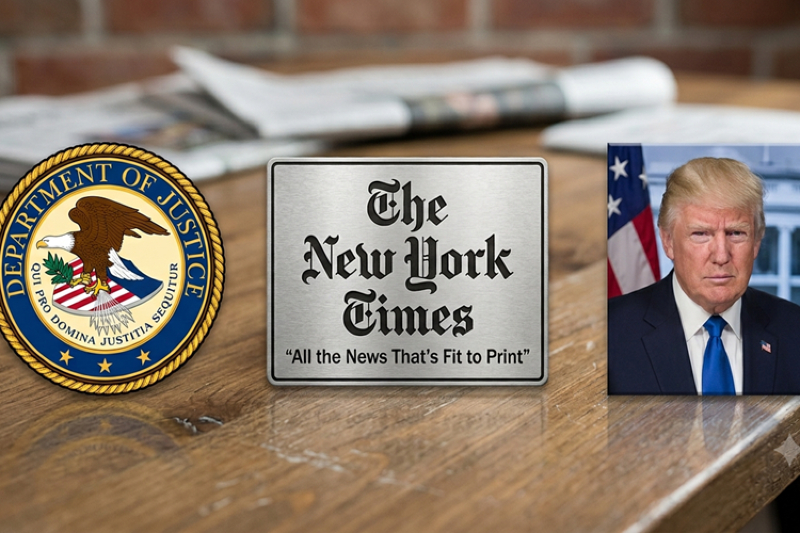
Legal Enforcement: The Department of Justice has signaled its full support, with acting officials vowing to "vigorously prosecute" any entities caught engaging in the sanctioned Iranian oil trade.
The IRGC and Tehran: "Deadly Whirlpools" and Mockery
The response from Tehran has been a mix of military threats and diplomatic derision. The Islamic Revolutionary Guard Corps (IRGC) issued a statement insisting that while the Strait remains open for legitimate civilian use, any foreign military intervention would be viewed as an act of war.
"Any miscalculated move will trap the enemy in the deadly whirlpools of the Strait," the IRGC warned, specifically noting that U.S. warships would be "dealt with severely."
Diplomatic Fallout: Iranian Foreign Minister Abbas Araghchi accused Washington of "maximalism" and "shifting goalposts" during the Islamabad talks.
He noted that while a deal was inches away, the U.S. side introduced new demands that made an agreement impossible. "Zero lessons learned," Araghchi posted, concluding that "enmity begets enmity."
Meanwhile, a unique "meme war" has erupted. Iranian embassies globally—from London to New Delhi—have launched social media campaigns mocking Trump’s rhetoric. The Iranian embassy in Thailand went as far as to call the blockade threat "so comical" that it defied satirical representation.
GCC and Western Allies: A Growing Rift
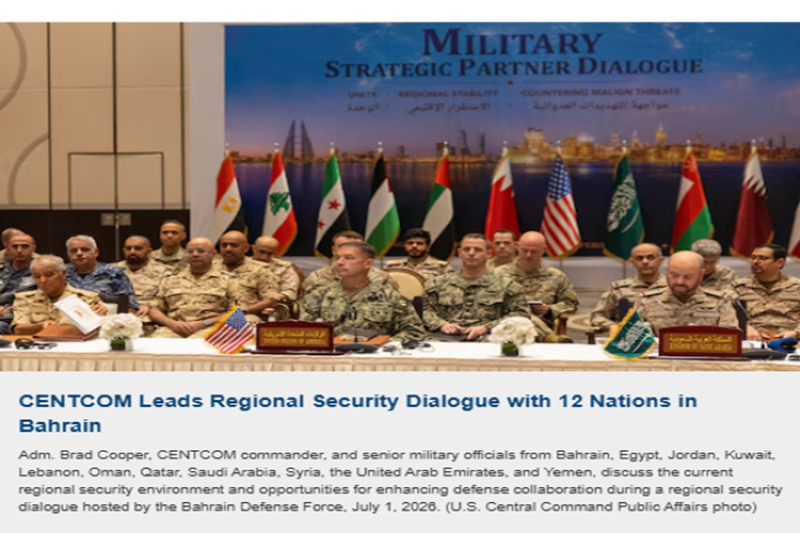
In a significant blow to Washington’s regional strategy, the Gulf Cooperation Council (GCC) has signaled its reluctance to back the U.S. initiative.
Analysts report that leaders in Dubai, Riyadh, and Doha are wary of any escalation that could lead to a hot war at their doorstep.
Unlike previous maritime coalitions, the GCC is unlikely to support an initiative that physically blockades the Strait, fearing that Iran still maintains enough "asymmetric power" to push back traffic and cripple regional economies.
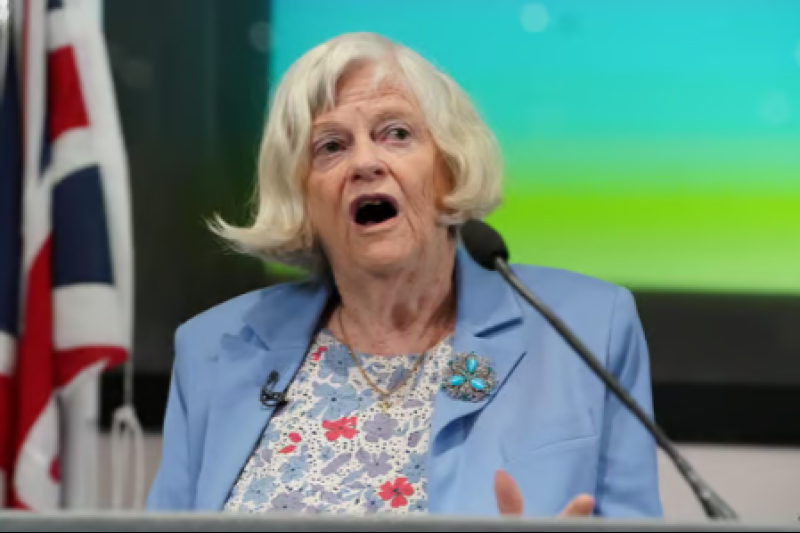
The European Stance: The rift extends to the "Special Relationship" with the United Kingdom. Prime Minister Keir Starmer and French President Emmanuel Macron held a joint call emphasizing that any ceasefire must be comprehensive and include Lebanon.
Crucially, the UK has confirmed it will not participate in the Trump-ordered blockade. Starmer has faced personal attacks from the White House—with Trump comparing him to Neville Chamberlain—but the British leader remains committed to a "defensive stance," prioritizing non-military means to keep the Strait open.
The Lebanon Front: Hezbollah Increases Pressure
As the U.S. and Iran square off at sea, the "Shadow War" on land continues to bleed. Hezbollah has reported a surge in drone and rocket attacks on northern Israeli military positions, specifically targeting artillery sites in Goren and barracks in Avivim.
Hezbollah officials described the "swarm of attack drones" as a direct response to Israeli violations of a fragile ceasefire and ongoing strikes in southern Lebanon, which have reportedly killed at least 13 people in the Tyre and Nabatieh districts.
The group maintains that its operations are intrinsically linked to the broader U.S.-Iran conflict, further complicating the path to a regional peace.
Economic Uncertainty: The "Safe Haven" Surge
The immediate result of the failed diplomacy and the blockade order has been felt in the financial markets.
The U.S. Dollar jumped against the Euro and Yen as investors fled to safety. With oil prices expected to surge if the blockade leads to physical skirmishes, the global economy is entering its seventh week of extreme uncertainty.
As the world watches the 10:00 AM EST deadline, the question remains: is this "bombast and bluster" designed to force Iran back to the table, or is the world witnessing the first hours of a major naval war? For now, as one specialist noted, we are living in a "new normality" of prolonged, managed instability.