
Bangladesh Parliament Passes Bill to Abolish Independent Supreme Court Secretariat

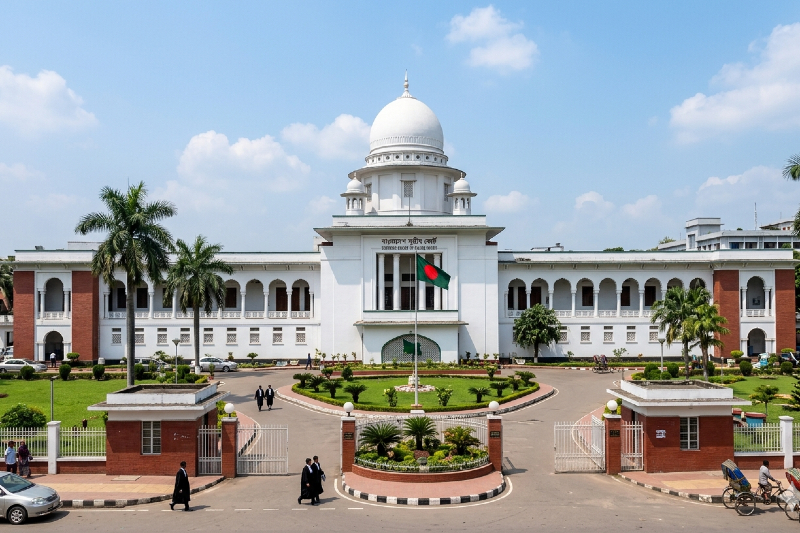
DHAKA — The National Parliament (Jatiya Sangsad) of Bangladesh on Thursday passed the Supreme Court Secretariat (Repeal) Bill, 2026, a move that effectively dissolves the recently established independent administrative body for the nation's highest court.
The bill, introduced by Law Minister Md. Asaduzzaman, repeals the Supreme Court Secretariat Ordinance, 2025 and its subsequent 2026 amendment.
The decision marks a significant reversal of the interim government's efforts to decouple the judiciary's administrative functions from the executive branch.
Government Cites Need for Further Scrutiny
In the statement of objects and reasons, the government argued that the necessity and specific structure of a separate secretariat require more extensive consultation with stakeholders.
While the original ordinances were designed to bolster judicial independence, the current administration contends that a re-evaluation is essential to prevent "administrative complexities."
Key changes following the bill’s passage:
Abolition of Posts: The Supreme Court Secretariat is officially abolished, and all positions created specifically for the body are scrapped.
Asset Transfer: Budgets, ongoing projects, and programs previously managed by the independent secretariat will now be transferred to the Law and Justice Division.
Administrative Control: While office equipment, vehicles, and the organizational structure for the Registry and subordinate courts remain intact, they now fall under the direct jurisdiction of the Law Ministry.
Judicial Reversion: Officers who were serving within the now-defunct secretariat will have their service terms reverted to the legal framework that existed prior to 2025.
Heated Debate and Opposition Objections
The bill faced stiff resistance from the opposition benches. During the tabling of the bill, Opposition MP Najibur Rahman raised formal objections, suggesting the move could compromise the autonomy of the judiciary.
Responding to the criticism, Law Minister Md. Asaduzzaman defended the government's stance, asserting that the independence of the Supreme Court is constitutionally protected regardless of the secretariat's status.
"The Bangladesh Supreme Court remains one of the premier judicial institutions globally, with judges' tenures, transfers, and postings fully safeguarded by the Constitution," the Law Minister stated.
He further clarified that the government remains committed to judicial independence as outlined in the bill’s objectives. Despite the opposition's protests, the objection was ultimately rejected via a voice vote, leading to the bill's successful passage.