
4,000 Civilian Buildings Destroyed in Iran as War Intensifies: Red Crescent
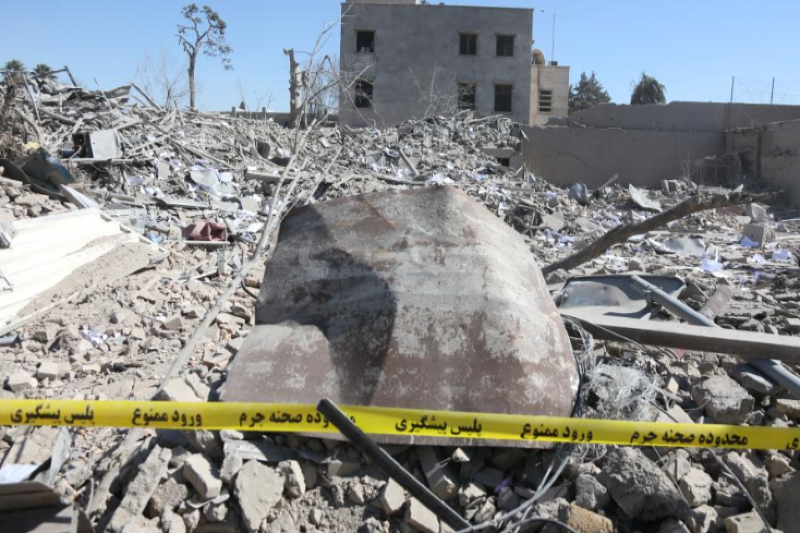
More than 4,000 civilian buildings have been destroyed across Iran following airstrikes carried out by the United States and Israel, according to the Iranian Red Crescent Society.
The humanitarian organisation reported that 3,646 residential buildings and 528 commercial establishments have been damaged or destroyed during the attacks. The figures highlight the growing humanitarian impact of the ongoing conflict.
Hospitals and Healthcare Facilities Affected
The Red Crescent also stated that at least 14 healthcare facilities, including hospitals and rehabilitation centres, have been hit during the bombardment. Three hospitals have been forced to shut down due to the damage, raising concerns about the ability of the healthcare system to cope with rising casualties.
Situation in Tehran
Witnesses in Tehran said the intensity of rocket attacks appeared slightly lower on the sixth day of the war compared with earlier in the week. However, videos circulating on social media showed widespread destruction in residential neighbourhoods of the city, which is home to around 15 million people.
Sports facilities were also reportedly targeted. A small stadium in central Tehran was destroyed in the strikes, and unconfirmed reports suggested that military equipment might have been stored there.
Regional Conflict Expands
The conflict between Iran and Israel has spread across multiple areas of the Middle East. Israeli forces said they carried out new strikes on Iranian ballistic missile sites in Tehran and on positions linked to the Iran-backed group Hezbollah in Lebanon.
Authorities in Azerbaijan also reported drone attacks targeting an airport, which they attributed to Iran. Meanwhile, several Gulf states allied with the United States have faced missile threats, increasing fears of a wider regional confrontation.
Rising Casualties
The war has already caused heavy casualties across the region. Reports indicate that at least 1,230 people have been killed in Iran since the conflict began, including the country’s supreme leader Ali Khamenei.
In Israel, at least 13 people have died, while more than 100 fatalities have been reported in Lebanon.
US Military Losses
The conflict has also affected American forces stationed in the region. According to the United States Central Command, six US service members were killed in a retaliatory drone attack while deployed in Kuwait.
Trump Defends Military Campaign
US President Donald Trump defended the ongoing military operations, arguing that Iran’s nuclear programme and expanding ballistic missile capability pose a serious threat. He said the campaign could continue for four to five weeks but indicated it might last longer if necessary.
Debate Over War Powers in Washington
The military campaign has also sparked political debate in the United States. The United States House of Representatives narrowly rejected a resolution that would have required the president to obtain congressional approval before launching further strikes on Iran.
Uncertainty Over Iran’s Next Leader
Following the death of Ali Khamenei, Iran has not yet announced a successor. Reports suggest that the authorities may delay naming the next leader due to fears that the individual could become a target of attacks.
Analysts say Mojtaba Khamenei, the late leader’s son, is widely seen as a leading candidate to take over the position.
As the war continues, the expanding conflict is raising serious concerns about stability across the Middle East and its potential global consequences.