
20-Year Eco-Tourism Master Plan Aims to Boost Visitors to Sundarbans
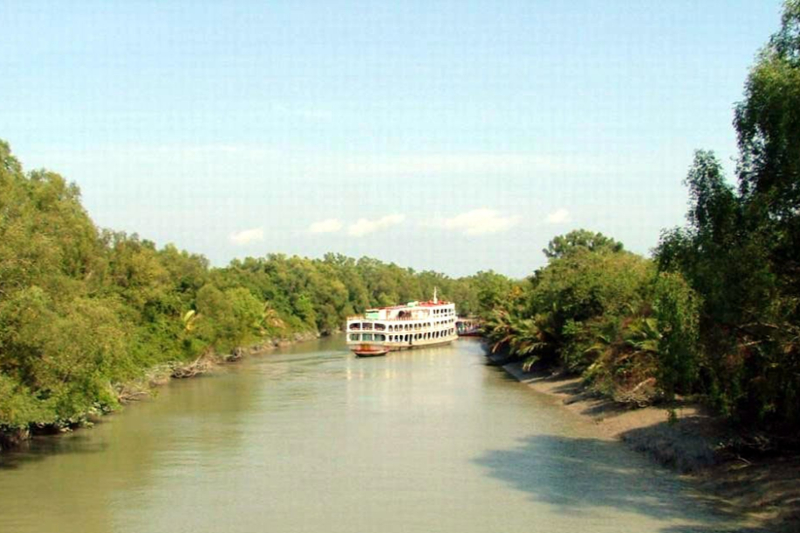
Khulna, February 6, 2026: A comprehensive long-term master plan has been prepared to protect the ecological balance of the Sundarbans while enhancing its appeal to both domestic and international tourists.
The Sundarbans Eco-Tourism Master Plan (2025–2045) focuses on sustainable tourism development in the world’s largest mangrove forest, a UNESCO World Heritage Site.
Tk 410 Crore Project with Community-Based Focus
Professor Dr Md Wasiul Islam, Deputy Chief of Party of the project and a faculty member of the Forestry and Wood Technology Discipline at Khulna University, said the estimated cost of the master plan is Tk 410 crore. He explained that a community-based eco-tourism model is at the heart of the initiative.
The plan was developed following extensive consultations with stakeholders, including the Forest Department, Department of Environment, universities, tourist police, local administration, Mongla Port Authority, national and regional tour operators, and residents living near the Sundarbans.
Boosting Foreign Tourist Arrivals and Economic Benefits
Dr Wasiul Islam said the master plan also outlines strategies to attract more international tourists, which would help increase foreign currency inflows into Bangladesh.
While domestic tourism keeps money circulating within the country, foreign tourism contributes new revenue to the national economy, supporting economic stability and growth.
Project officials expect tourist numbers to rise significantly once the plan receives approval from the Forest Department.
Sustainable Tourism over Conventional Infrastructure
According to Dr Wasiul Islam, preparing the master plan took nearly two years. Unlike traditional development projects that prioritise infrastructure expansion, the plan focuses on conserving the natural environment while implementing sustainable tourism practices.
A detailed technical roadmap has been designed to ensure tourism growth without damaging biodiversity. Successful implementation is expected to strengthen the tourism industry, support conservation efforts, and improve the economic resilience of local communities.
USAID-Supported Initiative under Forest Department
The master plan has been developed with funding from the American people and with financial and technical assistance from the United States Agency for International Development (USAID).
It is being implemented by the Bangladesh Forest Department in partnership with Solimar International under the USAID Eco-Tourism Activity Pilot Project.
Local Community Participation and Alternative Livelihoods
Dr Wasiul Islam said the direct involvement of local communities in formulating the master plan has reduced the likelihood of conflict. Local residents will participate directly in eco-tourism activities and benefit socially, culturally, economically, and environmentally.
The plan prioritises reducing dependence on forest resources by creating alternative and sustainable livelihood opportunities through tourism, helping to preserve the ecological balance of the Sundarbans.
Eco-Guides, Disaster Resilience, and Wildlife Protection
The master plan is expected to reduce pressure on the mangrove ecosystem and increase its resilience to natural disasters such as cyclones and tidal surges. Under the project, more than 200 eco-guides have already been trained to guide tourists, minimise human-wildlife conflict, and ensure controlled tourism.
Their role will also help improve visitor safety while reducing environmental damage.
Forest Department Calls Plan Timely and Essential
Md Imran Ahmed, Conservator of Forests (CF) of the Khulna Circle, said nearly 200,000 local and foreign tourists visit the Sundarbans each year. Managing such large numbers while maintaining environmental balance and effective waste management remains a major challenge.
He described the master plan as a timely and commendable initiative that promotes responsible eco-tourism without harming the forest. The plan is currently awaiting approval from the Ministry of Environment, Forest and Climate Change.
Tour Operators Highlight Infrastructure Gaps
Meanwhile, Nazmul Azam David, General Secretary of the Tour Operators Association of the Sundarbans (TOAS) and Managing Director of Rupantar Eco-Tourism, said tourist facilities in the Sundarbans have not improved significantly despite rising visitor numbers.
He pointed out the lack of emergency medical services, safe overnight accommodation, access to clean drinking water, and adequate security. Infrastructure such as watchtowers and jetties inside the forest is also in poor condition, underlining the urgent need for sustainable and planned development.