
Mossad Chief Declares Iran Mission "Incomplete" Without Regime Change
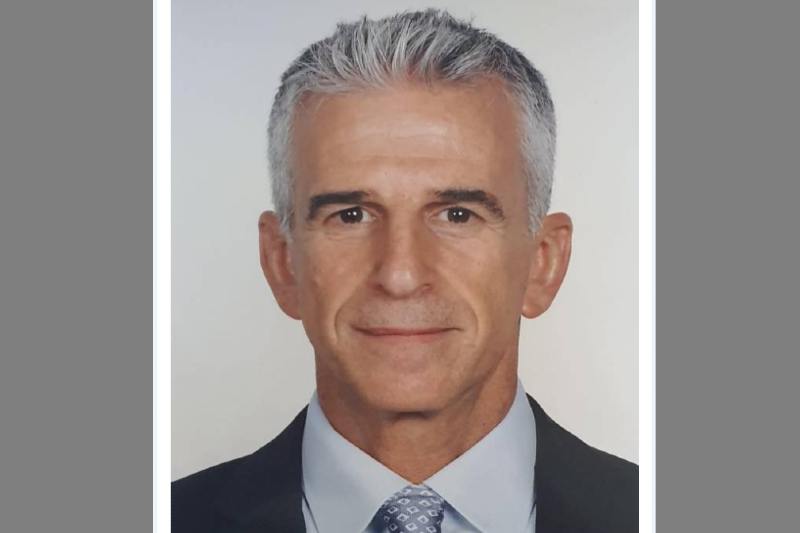
JERUSALEM — In an unprecedented public declaration, Mossad Director David Barnea asserted on Tuesday that the mission of Israel’s intelligence agency will not be finished until the current Iranian leadership is replaced by a "freer and less violent" administration.
The statement, made during a Holocaust remembrance ceremony, marks the first time the spy chief has openly addressed the agency's specific goal regarding regime change in Tehran.
Barnea emphasized that the end of recent military hostilities did not signal the end of clandestine efforts against the Islamic Republic.
A Long-Term Strategy
According to a report by the Jerusalem Post, Barnea’s comments come amid internal pressure within both the Israeli and U.S. governments.
Some officials have criticized the Mossad for the fact that the Iranian regime remains in power despite a high-intensity conflict and the current ceasefire.
However, the Jerusalem Post further noted that the Mossad had previously advised top-level officials in Washington and Jerusalem that systemic regime change was a project for the post-war period, rather than a goal achievable in the heat of active combat.
Barnea’s latest remarks serve as a rebuttal to critics who suggested the agency had failed to deliver on its strategic objectives.
"Beyond the Attacks on Tehran"
"Our mission is not yet complete," Barnea stated. "We did not think that our mission would be completed immediately with the fading of the battles... this will be manifested even after the time of attacks on Tehran."
Barnea has previously suggested that the conditions for a domestic collapse in Iran could materialize within a year of the war's conclusion. His speech indicates a belief that recent strikes on Iranian infrastructure and leadership have set the necessary "favorable conditions," but that significant covert work remains to facilitate a transition of power.
Shifting Focus to the Ceasefire Era
The Mossad chief's aggressive rhetoric contrasts sharply with the ongoing diplomatic efforts in Islamabad, where U.S. and Iranian delegations are attempting to formalize a lasting truce.
While diplomats discuss uranium enrichment and naval blockades, Barnea’s focus remains squarely on the internal stability of the Iranian government.
The statement is likely to further complicate the "cloud of mistrust" between Washington and Tehran, especially following claims from the Iranian delegation that they were targeted by aerial threats while traveling to the Pakistan summit.
As the April 21 ceasefire deadline approaches, the duality of Israel’s long-term intelligence goals and the U.S. administration's immediate diplomatic push remains a central tension in the region.