
Macron Urges De-escalation as U.S. Enforces Naval Blockade on Iran
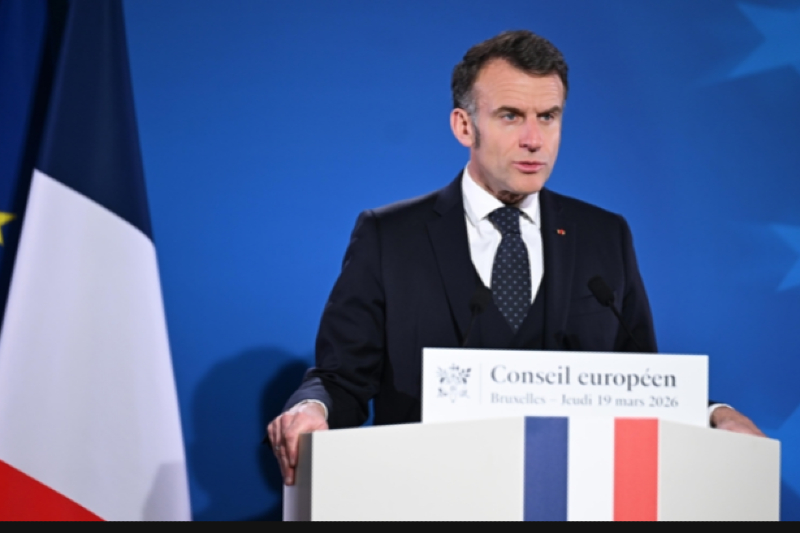
PARIS — French President Emmanuel Macron has issued a high-stakes appeal for restraint, calling on both Washington and Tehran to return to the negotiating table and reopen the Strait of Hormuz "without restrictions."
The plea comes as a U.S.-led naval blockade begins to squeeze Iranian ports following the collapse of high-level talks in Pakistan.
Macron revealed he held direct discussions with President Donald Trump and Iranian President Masoud Pezeshkian, emphasizing the urgent need to "clear up misunderstandings" and prevent the regional conflict from spiraling further.
The French leader specifically highlighted the importance of maintaining the current ceasefire and ensuring that Lebanon remains included in any peace efforts.
Diplomacy on Life Support
Despite the dramatic exit of Vice President JD Vance from the Islamabad talks—a moment many are calling "Reykjavík 2.0"—some military and diplomatic figures believe a deal is still within reach.
Retired Pakistani Lieutenant General Mohammed Saeed, who has been close to the coordination efforts, noted that the two sides were "inches away" from a breakthrough before the stalemate. Rumors are now circulating that a second round of face-to-face negotiations could be organized as early as this Thursday, potentially in Geneva or Islamabad, to secure a deal before the April 21 ceasefire deadline.
The Blockade and the "Rich Starry"
The U.S. Navy has moved swiftly to enforce President Trump’s orders. While the President claimed Iran's traditional navy is "completely obliterated," analysts warn that Iran’s fleet of small, fast-attack boats remains a potent threat to global shipping.
In a notable test of the blockade on Tuesday, the Chinese-owned tanker Rich Starry successfully navigated the Strait of Hormuz. U.S. officials permitted the vessel to pass after confirming it was transiting from the UAE and not docking at an Iranian port.
Iran’s Strategy for Survival
In Tehran, the mood is a mix of defiance and desperation. Interior Minister Eskandar Momeni has ordered border provinces to ramp up land-based trade to "neutralize" the maritime blockade. With over 5,000 miles of land and sea borders, the regime hopes to bypass naval restrictions by facilitating the import of essential goods through neighboring countries.
Meanwhile, ordinary Iranians remain weary. After 40 days of devastating conflict that damaged schools and infrastructure, there is a strong public desire for the removal of sanctions, though a thick "cloud of mistrust" hangs over the possibility of a lasting peace.
A Growing Global Divide
As the U.S. doubles down on its "maximum pressure" tactics, a diplomatic rift is widening at the United Nations. In a move that left the United States standing alone, several Western allies—including the UK, France, Canada, and Australia—allowed Iran to secure a seat on the UN Committee for Program and Coordination.
U.S. officials have slammed the decision, calling the Iranian regime "unfit" to serve on a body that shapes global policy on human rights and counterterrorism. This move highlights a growing frustration among traditional allies who appear more willing than Washington to maintain functional ties with Tehran to avoid total regional collapse.