
Macron Rebukes Trump’s Iran War Messaging, Calls for ‘Serious’ Leadership
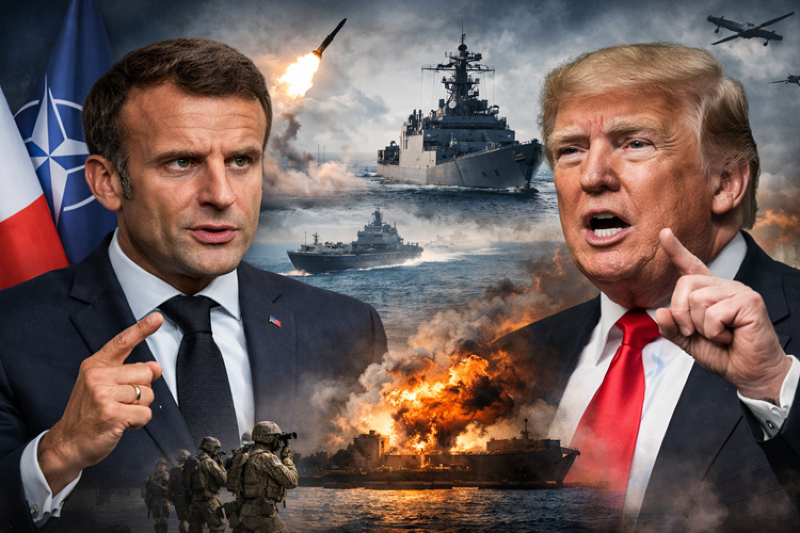
French President Emmanuel Macron has delivered a sharp critique of Donald Trump over his handling of messaging surrounding the ongoing Iran conflict, urging a more measured and consistent approach to a crisis he says demands responsibility rather than rhetoric.
Speaking to reporters during his official visit to South Korea, Macron stressed that war is not a platform for shifting narratives or daily commentary. “This is not a spectacle,” he said, highlighting that the stakes involve human lives and long-term global stability. He appeared to question Trump’s fluctuating statements on the war, noting that serious leadership requires clarity and restraint, not frequent contradictions.
Concerns Over Inconsistent U.S. Signals
Macron’s remarks come as Washington’s position on the Iran conflict has appeared uncertain at times. Statements from the U.S. administration have alternated between suggesting imminent victory, possible ceasefire negotiations, and prolonged military engagement. The inconsistency, Macron implied, risks undermining credibility during a highly sensitive geopolitical crisis.
France, while aligned with Western allies, has taken a cautious stance. Macron reiterated that Paris is not directly involved in military decisions taken independently by the United States and Israel. He emphasized that unilateral actions cannot later be framed as shared international responsibility.
NATO and Trust Under Strain
The French president also addressed recent comments by Trump questioning U.S. commitment to NATO. Macron warned that such remarks could erode the foundation of trust that sustains international alliances.
“Alliances rely not just on formal agreements, but on the confidence that partners will stand together when needed,” he said. Publicly casting doubt on that commitment, he argued, weakens the very structure of collective security.
Doubts Over Military Solutions to Nuclear Threat
Macron further challenged claims that previous U.S. strikes had permanently neutralized Iran’s nuclear capabilities. Referencing earlier assertions that key facilities were destroyed, he pointed out that concerns over Iran’s nuclear program persist.
He argued that military action alone cannot fully eliminate such threats, citing the possibility of undisclosed facilities and technical expertise that can sustain nuclear development. Instead, Macron called for stronger international oversight and a structured framework to monitor and limit nuclear activities.
Personal Remarks Spark Backlash
Tensions between the two leaders have also spilled into personal territory. Trump reportedly made controversial remarks about Macron and his wife, which the French president dismissed as inappropriate and unworthy of response.
The comments have drawn criticism across the political spectrum in France, with even Macron’s opponents condemning the tone as unacceptable and disrespectful.
Strait of Hormuz Crisis Raises Global Concerns
Meanwhile, the conflict has intensified economic fears after Strait of Hormuz was closed by Iran in retaliation for strikes on its territory. The move threatens a major portion of global energy supply.
While some have floated military options to reopen the passage, Macron rejected the idea as impractical and risky. He warned that such an operation would expose forces to significant threats, including missile systems and coastal defenses controlled by Iranian forces.
A Call for Calm and Strategic Focus
As the conflict enters its second month, Macron’s message underscores the need for disciplined diplomacy and reduced public rhetoric. He cautioned against what he described as excessive “noise” surrounding the crisis, urging leaders to prioritize coherent strategy over constant commentary.
His remarks highlight growing differences among Western allies on both the conduct of the war and the communication strategies shaping global perceptions.