
ByteDance Moves to Rein In AI Video App After Disney’s Copyright Warning
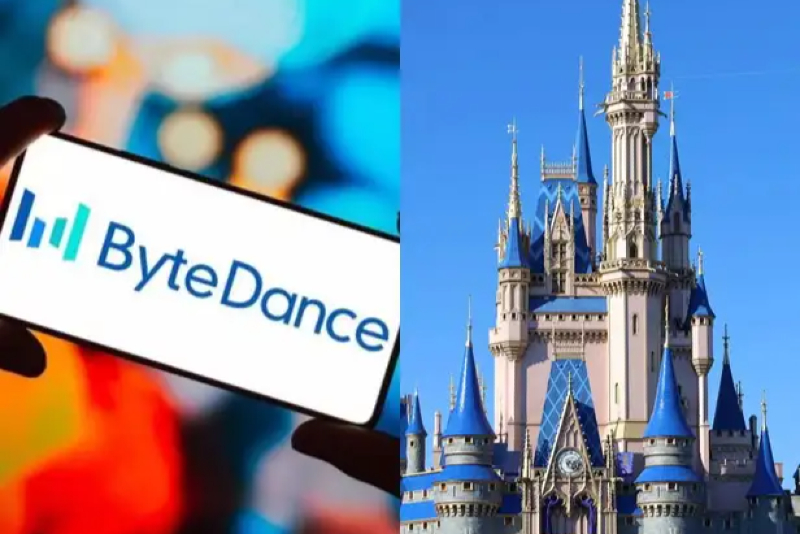
In a major tech–Hollywood standoff, Chinese tech giant ByteDance has announced plans to tighten restrictions on its AI video generator after facing legal threats from entertainment powerhouse The Walt Disney Company and criticism from other film studios.
The tool at the center of the dispute, Seedance 2.0, gained explosive popularity shortly after its release in early February, enabling users to generate highly realistic short video clips from simple text prompts. Some of these clips featured likenesses of beloved movie characters and real actors — going viral across social platforms and prompting alarm within the entertainment industry.
Disney’s Legal Challenge
On Friday, Disney delivered a cease‑and‑desist letter to ByteDance’s legal team, accusing the company of embedding what it called a “pirated library” of its copyrighted characters from franchises such as Marvel and Star Wars into Seedance without authorization. Disney’s lawyers charged that the tool was reproducing and distributing content resembling characters like Spider‑Man and Darth Vader as if they were free to use.
Disney’s legal team described this alleged unauthorized use of its intellectual property as a “virtual smash‑and‑grab,” arguing that ByteDance treated some of the world’s most valuable cinematic characters as public‑domain assets.
Response From ByteDance
In response to the mounting pressure, ByteDance issued a statement acknowledging concerns about the way Seedance was being used. The company said it “respects intellectual property rights” and will take steps to reinforce safeguards that prevent users from creating videos involving copyrighted content or real‑world likenesses without permission. However, ByteDance did not detail exactly what new measures will be implemented.
The company has already disabled certain features such as user image uploads in earlier updates — a move seen as part of the effort to address privacy and copyright issues.
Backlash From the Industry
Disney wasn’t alone in its legal objections. Paramount Skydance reportedly sent its own legal letter accusing ByteDance of “blatant infringement” of its copyrighted works, covering franchises beyond Disney’s stable.
Additionally, the Motion Picture Association (MPA) — representing major studios including Warner Bros. and Netflix — demanded that Seedance halt its allegedly infringing activities, while the actors’ union SAG‑AFTRA criticized the tool for potentially undermining performers’ rights and livelihoods.
The Broader Context
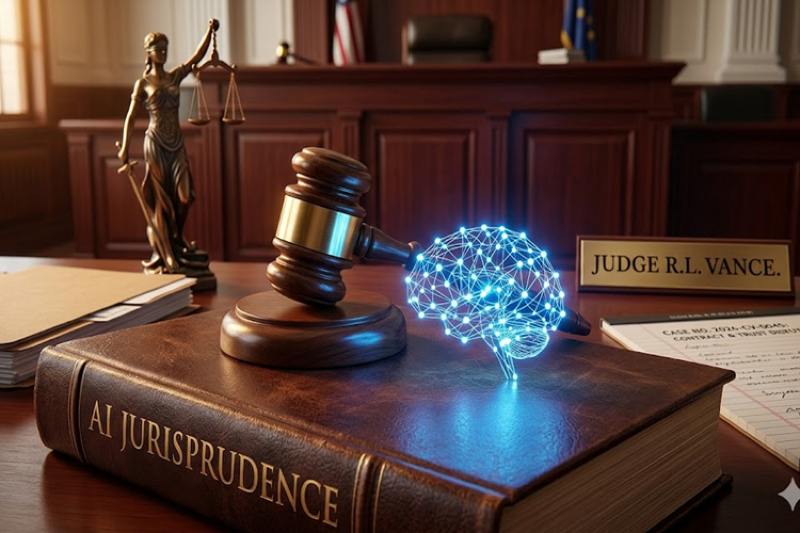
This dispute highlights the broader tension between emerging AI technologies and traditional copyright protections in entertainment. While some media companies are exploring partnerships with AI developers — Disney, for example, signed a $1 billion licensing deal with OpenAI last year to allow sanctioned use of some of its characters — others are taking a harder line against unlicensed use.
What Comes Next
As ByteDance works to strengthen Seedance’s safeguards, industry watchers are closely monitoring whether this will satisfy legal concerns or if further legal action is imminent. The case is shaping up to be a bellwether for how generative AI tools will be regulated and governed in the creative industries.