
Michael Jackson Biopic Under Fire for “Incomplete” Storytelling
The much-anticipated biopic Michael has ignited intense debate among critics and audiences, with many accusing the film of presenting a carefully polished version of Michael Jackson’s life while sidestepping some of its most controversial chapters. Directed by Antoine Fuqua, the film traces Jackson’s journey from his early days with the Jackson 5 to his global superstardom, but avoids addressing the long-standing allegations that shadowed his later years.
A Performance That Shines Amid Criticism
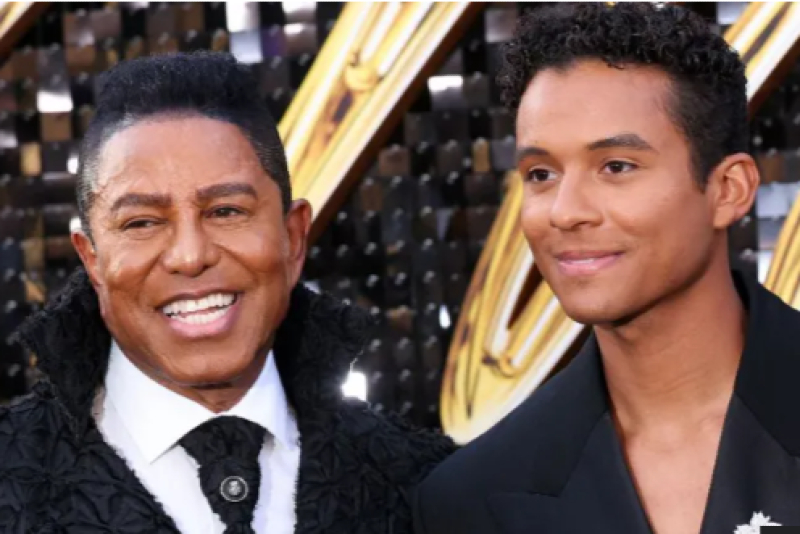
At the center of the film is Jaafar Jackson, whose portrayal of his uncle has drawn widespread praise. Critics have highlighted his uncanny resemblance and ability to capture Jackson’s stage presence, with some noting that his performance is one of the film’s strongest elements. Supporting roles include Colman Domingo as Joe Jackson and Nia Long as Katherine Jackson, adding depth to the family narrative.
The Missing Narrative That Critics Can’t Ignore
Despite its strong performances and musical sequences, the film has been widely criticized for omitting any meaningful reference to allegations of sexual abuse that have long been associated with Jackson. Reports suggest that earlier versions of the film included references to the case involving Jordan Chandler, but those scenes were removed following legal concerns tied to a non-disclosure agreement.
This decision has drawn sharp criticism from major publications. Many reviewers argue that by excluding these elements, the film fails to present a complete or honest portrayal of the pop icon’s life. Some have described the omission as a “fatal flaw,” claiming it undermines the film’s credibility as a biographical work.
Critics Call It a “Glossy Product”
Several critics have gone further, labeling the film as overly commercial and emotionally hollow. Reviews describe it as a production more focused on recreating iconic performances than exploring Jackson’s complex personality and personal struggles. While the musical numbers—featuring hits like Billie Jean and Thriller—have been praised for their energy and authenticity, the storytelling itself has been criticized as superficial.
Some reviewers have compared Michael to recent music biopics about artists like Freddie Mercury, Elton John, and Elvis Presley, noting that while those films attempted to balance celebration with personal conflict, this latest entry leans heavily toward glorification.
Fans vs Critics: A Split Reaction
While critics have been largely negative, some audiences—particularly longtime fans—are embracing the film as a nostalgic tribute. Supporters argue that the film succeeds in celebrating Jackson’s musical legacy, offering a visually engaging experience driven by original recordings and elaborate performances.
However, others believe that separating the artist from the controversies is not possible, and that the film’s approach may alienate viewers seeking a more nuanced exploration of his life.
A Turning Point for Music Biopics?
The backlash surrounding Michael could signal a broader shift in how audiences expect biographical films to handle sensitive topics. As the genre continues to grow in popularity, filmmakers may face increasing pressure to balance entertainment with authenticity.
For now, Michael stands as one of the most polarizing releases in recent years—praised for its performances, but questioned for its storytelling choices.