
High-Stakes US-Iran Talks Begin in Oman Amid War Fears
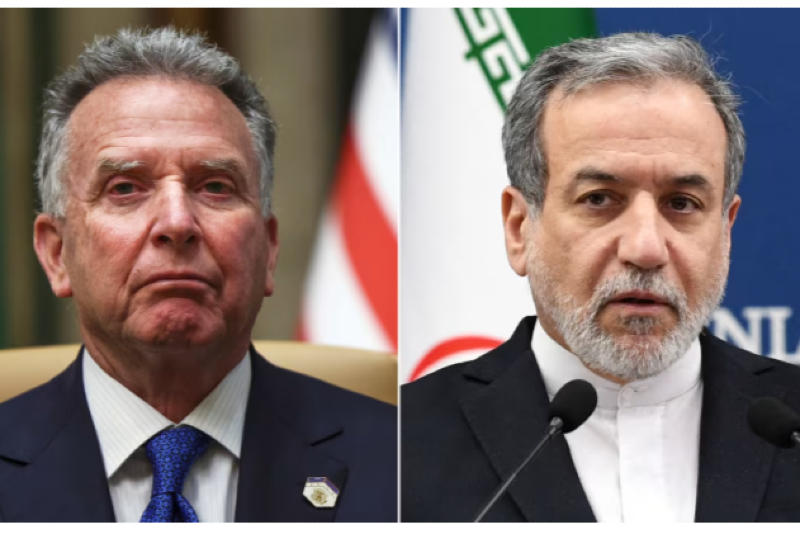
Feb 6, 2026: Senior officials from the United States and Iran are convening in Oman today for a critical round of direct negotiations.
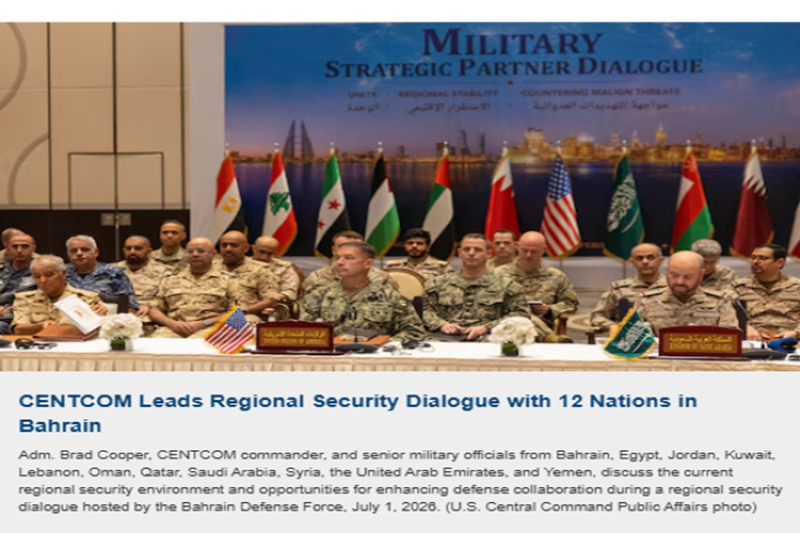
The discussions follow a massive U.S. military buildup in the Persian Gulf, a move the Trump administration describes as a direct response to Tehran’s recent violent suppression of nationwide anti-government protests.
A Divided Agenda
While both nations have agreed to meet, their objectives remain fundamentally at odds:
The U.S. Position: Led by special envoy Steve Witkoff and Jared Kushner, the American delegation is demanding that Iran completely freeze its nuclear program and surrender its stockpile of enriched uranium. Furthermore, Washington insists that any "meaningful" deal must address Iran's ballistic missile development, its support for regional proxies (the "Axis of Resistance"), and its human rights record.
The Iranian Position: Foreign Minister Abbas Araghchi maintains that the talks should be strictly limited to the nuclear program and the lifting of crippling economic sanctions. Despite the pressure, Iranian officials have called the demand to limit their missile program a "red line" and a breach of national sovereignty.
The Shadow of "Operation Midnight Hammer"
These talks represent the first high-level engagement since the 12-Day War in June 2025.
While Iran claims its enrichment activity has halted since those strikes, President Donald Trump has recently warned of further "obliteration" if a new agreement is not reached. "The next attack will be far worse," Trump warned in recent statements, describing the U.S. naval presence in the region as a massive "armada."
Regional Stakes and Humanitarian Crisis
Regional mediators—including Egypt, Turkey, and Qatar—have worked behind the scenes to facilitate this "offramp" from total war.
"I'm not sure you can reach a deal with these guys, but we're going to try to find out," said U.S. Secretary of State Marco Rubio. "We don't see any harm in trying to figure out if there's something that can be done."
Inside Iran, the regime faces its most precarious moment since the 1979 Revolution.