
Bangladesh: 11-Party Alliance Threatens Protests Over Reform Council as Govt Signals Parliament Debate
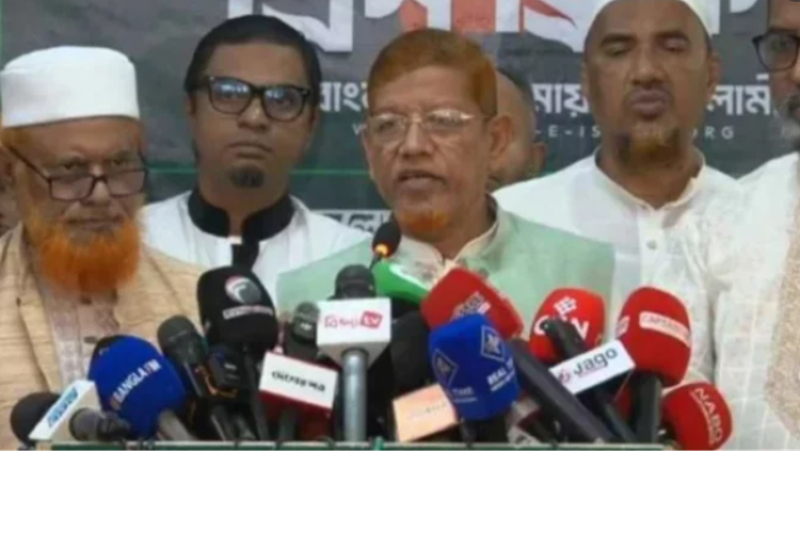
An alliance of 11 political parties in Bangladesh has warned that it may launch street protests if the government fails to convene a session of the Constitutional Reform Council within the stipulated time.
Speaking at a press briefing after a meeting of the alliance’s liaison committee in Dhaka on Saturday, Hamidur Rahman Azad, assistant secretary general of Bangladesh Jamaat-e-Islami and coordinator of the 11-party electoral alliance, said the government has been given until Sunday to take action.
Azad stated that if the authorities fail to convene the Constitutional Reform Council as required under the “July Charter,” the alliance would be forced to take to the streets with public support. He added that senior leaders of the coalition are expected to meet soon to finalize a protest programme.
The briefing followed an emergency meeting of the alliance held at Jamaat-e-Islami’s central office in Dhaka earlier in the day.
Allegations of Ignoring Reform Mandate
Azad claimed that Sunday would mark 30 days since the government took office. He argued that if the government does not call the reform council session in line with the July Charter within that timeframe, it would have to take responsibility for ignoring the public mandate.
He also criticized the recent national election, saying it did not fully reflect the public’s expectations. Although the alliance accepted the election results in the broader national interest, he claimed the outcome had not translated into the political changes many citizens hoped for.
According to Azad, about 70 percent of voters supported the July Charter in a national referendum, which he said effectively endorsed the formation of a Constitutional Reform Council. He argued that the government is therefore obligated to implement the decision.
Criticism Over Local Administration Decisions
The alliance also protested the appointment of administrators in six city corporations, suggesting the move could delay elections and open the door to what they described as “election engineering.”
Azad warned that replacing elected representatives with administrators contradicts constitutional principles and could undermine the electoral process.
He further alleged that politicization within administrative institutions is increasing through transfers and appointments based on political loyalty, urging the government to stop such practices in order to preserve professional integrity in public administration.
Leaders to Discuss Protest Strategy
When asked about the possible form of the movement, Azad said a proposal has been made to hold a meeting of top leaders from the 11-party alliance on March 28. If finalized, that meeting would determine the strategy and future course of action.
Several leaders from alliance parties attended the briefing, including representatives from Khelafat Majlis, Bangladesh Labor Party, Bangladesh Nezame Islam Party, Jatiya Ganatantrik Party (Jagpa), and the Liberal Democratic Party.
Constitutional Reform Issue May Be Raised in Parliament, Says Home Minister
Bangladesh’s Home Minister Salahuddin Ahmed has indicated that the issue of forming a Constitutional Reform Council could be discussed on the floor of the Jatiya Sangsad during upcoming parliamentary sessions.
Speaking to journalists after a meeting of the parliamentary business advisory committee on Saturday, the minister said lawmakers had reviewed several matters concerning the next sitting of parliament. These included the duration of the session, topics expected to be debated, proposed legislation to be introduced and the amount of time allocated for discussion on the president’s address.
He noted that the formation of the Constitutional Reform Council may come up for discussion during parliamentary proceedings.
The minister also outlined the tentative parliamentary schedule. According to him, the current sitting on March 15 will be followed by a break, with the session set to resume on March 29 after the Eid al-Fitr holiday period. Parliamentary activities are expected to continue throughout April.
Salahuddin Ahmed further said that several ordinances issued during the tenure of the interim government will be referred to a special parliamentary committee.
The committee will examine the ordinances and present its findings and recommendations to parliament in the form of a report.