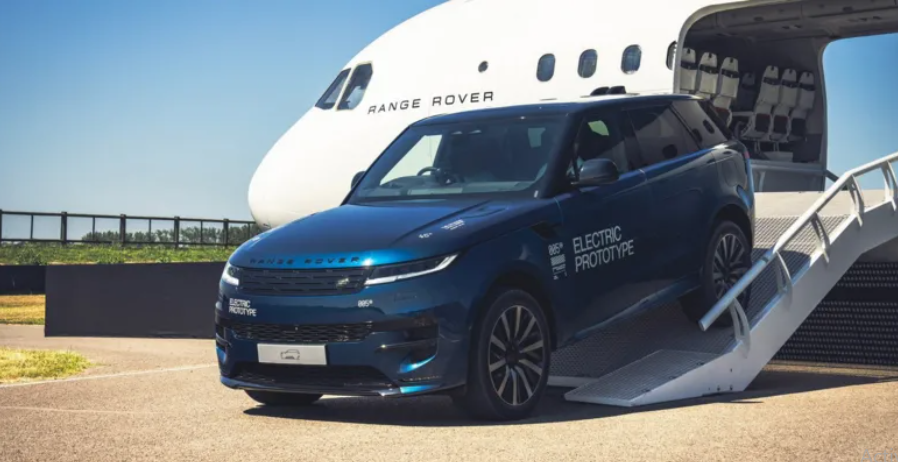
Range Rover has officially entered the electric vehicle market with the unveiling of its first fully electric model, marking a major step in Jaguar Land Rover’s efforts to transform its vehicle production.
The new Range Rover Electric will be manufactured at the company’s Solihull facility in the West Midlands. Its introduction follows a delay of about a year and comes as JLR continues to invest heavily in electric vehicle technology and manufacturing.
Major Investment in Electric Production
JLR has upgraded its manufacturing operations to prepare for the new model. The company has introduced new production facilities for battery systems and electric drive units, while thousands of employees have received training in electric vehicle manufacturing.
Around 9,000 workers in Solihull have been trained for the transition, with another 1,500 employees across the region receiving relevant skills. Meanwhile, JLR’s Electric Propulsion Manufacturing Centre in Wolverhampton has begun producing battery packs and electric drive units alongside components for conventional vehicles.
Range Rover managing director Martin Limpert described the electric model as the result of roughly a decade of engineering development.
Electric Push Comes During Difficult Period
The launch arrives at a challenging time for JLR. The company has faced weaker profits, supply chain problems and significant disruption following a cyber attack that affected production for more than a month.
JLR is also restructuring its workforce, with fewer than 300 positions set to be removed.
Despite these difficulties, the company sees new vehicle launches as an important part of its recovery strategy. The Range Rover Electric represents one of its biggest steps towards a more electrified future while the wider automotive industry faces economic, regulatory and geopolitical pressures.