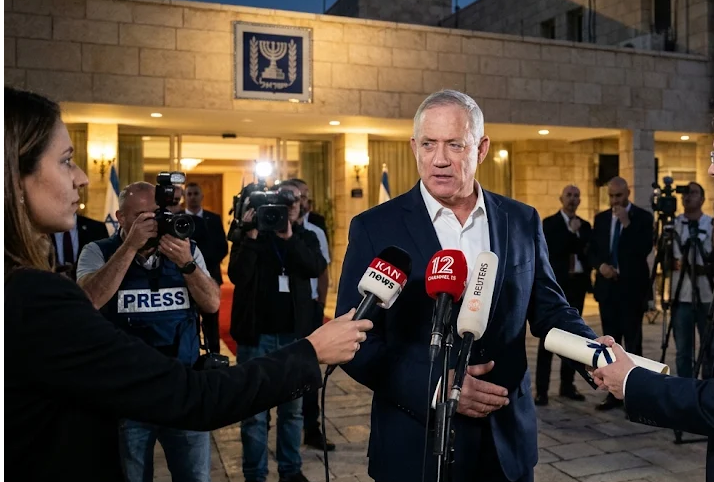
Israeli President Isaac Herzog has handed opposition figure Gadi Eisenkot the first opportunity to build a governing coalition, dealing a significant political blow to long-serving Prime Minister Benjamin Netanyahu.
Eisenkot, a former military chief who spearheaded the "Yashar" ("Straight") party as the primary alternative to Netanyahu in the recent October 27 elections, now has up to six weeks to assemble a parliamentary majority. Following the announcement,
Eisenkot took to social media to state that he aims to form a national emergency government and will strive to meet the moment.
A Divided Parliament and Complex Arithmetic
Neither Netanyahu’s traditional right-wing bloc nor Eisenkot’s opposing alliance secured an outright majority of seats in the 120-member Knesset. This deadlock has thrust Arab-led parties—which achieved historic gains in the election—into potentially decisive kingmaker roles.
While representatives from a majority of major factions recommended Eisenkot to the president, forming an alliance that relies directly or indirectly on Arab-led parties remains deeply controversial after years of intense conflict.
Mounting Tensions and Strategic Hurdles
Netanyahu, who acts as caretaker prime minister while coalition talks proceed, fiercely criticized the prospect of an Arab-backed administration, releasing video statements warning against partnering with what he termed "terrorist supporters". Conversely, Eisenkot’s camp has accused Netanyahu of clinging to radical nationalist elements.
Potential pathways for Eisenkot include:
A Broad Unity Government: Bringing major Jewish-led parties together, though bridged divisions remain vast—particularly regarding Netanyahu's ultra-Orthodox political partners seeking military draft exemptions and Netanyahu's resistance to a formal inquiry into the security lapses surrounding the October 7, 2023 attacks.
A Minority Administration: Operating with external parliamentary backing from Arab factions, though several members within Eisenkot’s own bloc have expressed resistance to this model.