DHAKA, November 16, 2026: The International Crimes Tribunal-2 (ICT-2) has authorised former army officer Major General (dismissed) Ziaul Ahsan to participate in future hearings of the crimes against humanity case concerning the 2013 Shapla Chattar incident through video conferencing from prison.
The decision means Ziaul will no longer be required to appear physically before the tribunal for routine proceedings in the case, subject to the court's directions.
ICT Prosecutor Gazi Monawar Hossain Tamim confirmed the development in a video statement on Monday afternoon, saying the tribunal had accepted a prosecution application seeking permission for the former military official to attend hearings remotely.
The case concerns allegations of crimes against humanity linked to the deaths of people during a Hefazat-e-Islam gathering at Shapla Chattar in Dhaka's Motijheel area on May 5, 2013.
Tribunal Introduces Conditions for Remote Attendance
According to Prosecutor Tamim, the tribunal's decision is not limited to Ziaul Ahsan. The arrangement may also apply to other accused individuals facing trial in connection with the Shapla Chattar incident under specified circumstances.
The prosecution explained that defendants suffering from chronic or prolonged illnesses may be permitted to participate in proceedings through video links instead of being transported to the courtroom.
The provision may also apply to accused individuals who engage in disruptive behaviour, resist lawful security arrangements or refuse to comply with established courtroom procedures.
Such conduct may include resisting the use of handcuffs during transportation or creating difficulties for prison authorities responsible for producing detainees before the tribunal.
The directive is intended to facilitate the continuation of judicial proceedings while addressing security, logistical and courtroom management concerns.
Similar Arrangement Previously Approved by ICT-1
The latest order follows an earlier decision by International Crimes Tribunal-1 (ICT-1), which permitted Ziaul to attend hearings virtually in a separate crimes against humanity case.
In that proceeding, the former military official faces allegations concerning enforced disappearances and killings involving more than 100 people.
The earlier dispute over his physical appearance arose on October 8, when Ziaul's defence lawyer and his sister, Naznin Nahar, submitted an application requesting changes to his transportation arrangements.
They sought permission for him to travel to the tribunal alongside other detainees rather than being transported separately in a prison vehicle.
The application cited concerns about his personal safety during transportation.
Prosecutors subsequently proposed that Ziaul participate in court proceedings remotely instead of being brought to the tribunal premises.
ICT-1 approved the arrangement later in October.
Under that decision, Ziaul was allowed to join hearings through video conferencing and communicate with his legal representatives by telephone during proceedings.
ICT-2 Had Previously Required Physical Appearance
Despite the earlier order issued by ICT-1, the second tribunal had continued requiring Ziaul to appear in person in the Shapla Chattar case.
Until Monday's decision, prison authorities were expected to produce him before ICT-2 in accordance with the applicable procedures for detainees.
His appearance before the tribunal last Thursday attracted public attention after he was seen wearing handcuffs and dark sunglasses.
The circumstances surrounding his courtroom appearance also prompted discussion about the treatment and security arrangements of high-profile detainees.
Questions were reportedly raised in parliament by the spouse of a victim of enforced disappearance.
The controversy added to the debate over how accused individuals facing serious international crimes allegations should be transported and presented before the tribunal.
Ziaul Brought to Tribunal Under Heavy Security
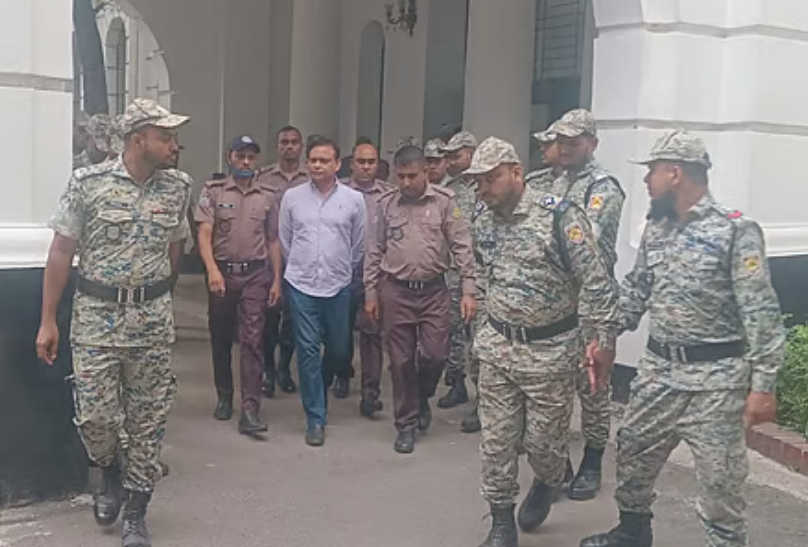
Earlier on Monday, Ziaul was brought to the tribunal premises under heightened security arrangements.
He was reportedly wearing a protective helmet and vest, with his hands restrained behind his back.
His appearance came before the prosecution publicly confirmed ICT-2's decision allowing him to attend subsequent hearings through a video link.
The revised arrangement is expected to reduce the need for repeated transportation between prison and the tribunal.
It may also help authorities address security concerns associated with producing detainees in sensitive cases.
Proceedings to Continue Through Video Conferencing
The tribunal's decision changes the method of Ziaul's participation in the Shapla Chattar proceedings but does not determine the merits of the allegations against him.
He remains an accused person in the case, and the charges are subject to judicial examination.
The use of video conferencing will allow the tribunal to continue hearings without requiring his physical presence on every occasion covered by the order.
The prosecution has indicated that similar arrangements may be adopted for other defendants when the conditions outlined by the tribunal are met.
The decision represents another step towards the use of remote participation in proceedings before Bangladesh's International Crimes Tribunals, particularly in cases involving security concerns, medical difficulties or challenges in maintaining courtroom discipline.
The Shapla Chattar case will continue under the tribunal's supervision, with the prosecution and defence retaining their respective roles in the judicial process.