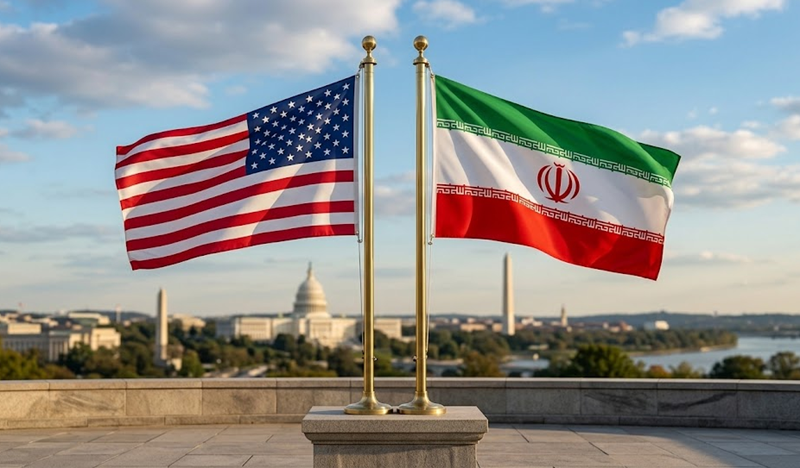
Washington, D.C- Diplomatic and military confrontations between the United States and Iran intensified on Monday, marked by a fresh U.S.-led push at the United Nations, maritime blockades in the Persian Gulf, and sharper geopolitical fault lines across Europe and the Middle East.
U.S. Pushes U.N. Resolution on Nuclear Compliance Washington plans to step up diplomatic pressure on Tehran this week by submitting a draft U.N. resolution. The proposal demands that Iran "urgently remedy its non-compliance" and grant International Atomic Energy Agency (IAEA) inspectors full access to its nuclear sites.
The two-page document, supported by European IAEA board members, suggests referring Iran to the U.N. Security Council while maintaining a window for a diplomatic solution.
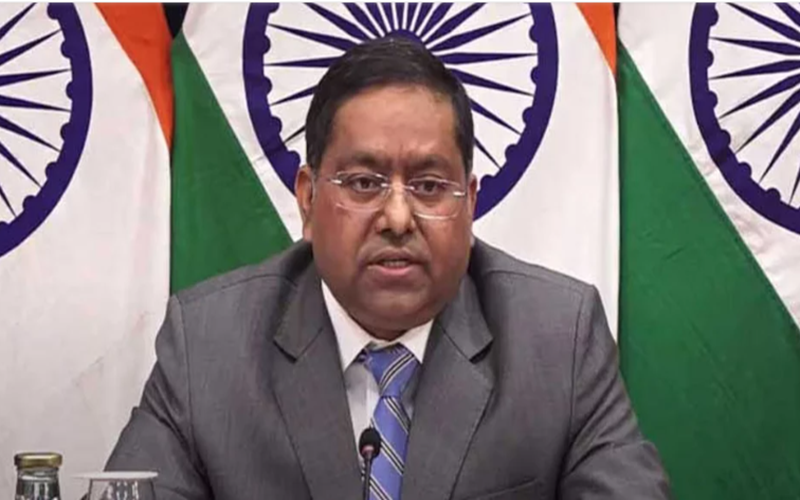
IAEA Director General Rafael Grossi confirmed inspectors remain locked out of Iranian facilities without updates on declared nuclear materials. In response, Iranian Foreign Ministry spokesman Esmail Baghaei warned that Tehran will retaliate if the measures pass, labeling European support as "irrational" given that ongoing conflict has disrupted physical access to these sites.
Maritime Conflict and Bilateral Disputes
Strait of Hormuz Blockade: U.S. Central Command (CENTCOM) confirmed its forces have redirected 94 commercial ships, disabled three, and boarded two to enforce an ongoing naval blockade against Iran.
Iran Slams Canada: Baghaei criticized Ottawa's condemnation of Iranian maritime actions, pointing out that Canada supports American military actions while asserting its stance on international law.
Turkey Rebukes Israel: Turkish President Recep Tayyip Erdogan accused Israel of provoking regional instability and sabotaging the June Islamabad Memorandum of Understanding (MOU).
Diplomatic Movements and Regional Alliances
Nauru Opens Jerusalem Embassy: The Pacific island nation of Nauru officially inaugurated its embassy in Jerusalem, becoming one of Israel's prominent allies at the U.N.
Kuwait and Pakistan Bilateral Talks: Kuwaiti Foreign Minister Sheikh Jarrah Jaber Al-Ahmad Al-Sabah and Pakistani Foreign Minister Mohammad Ishaq Dar held discussions on regional stabilization, agreeing to meet further at the upcoming U.N. General Assembly.
U.K. Engagement: British Prime Minister Andy Burnham spoke with U.S. President Donald Trump, emphasizing the U.K.'s commitment to Middle East stability, the reopening of the Strait of Hormuz, and nuclear non-proliferation.