Tensions between the United States and Iran have sharply escalated after the two countries exchanged strikes for the first time in weeks, raising fresh concerns over security in the Strait of Hormuz.
The latest confrontation began when US forces attacked two rocket launchers on Iran's Larak Island, near the strategically important port of Bandar Abbas. Iran's Islamic Revolutionary Guard Corps (IRGC) said the attack killed two people and wounded two others.
US Central Command said the operation was a limited strike intended to prevent Iran from preparing rocket launches and placing sea mines in the Strait of Hormuz.
Iran Announces Retaliatory Strikes
Iran responded by saying it had launched ballistic missiles at US military facilities in Jordan. Jordanian authorities said eight missiles were intercepted.
Iranian state television also reported that drones targeted Al-Minhad Air Base in the United Arab Emirates. However, the UAE rejected the claim that the base had been attacked, while confirming that one drone had been shot down.
Iranian President Masoud Pezeshkian said Tehran was not seeking war but would respond firmly to attacks against the country. US President Donald Trump, meanwhile, warned that Washington would respond forcefully.
Strait of Hormuz Under Pressure
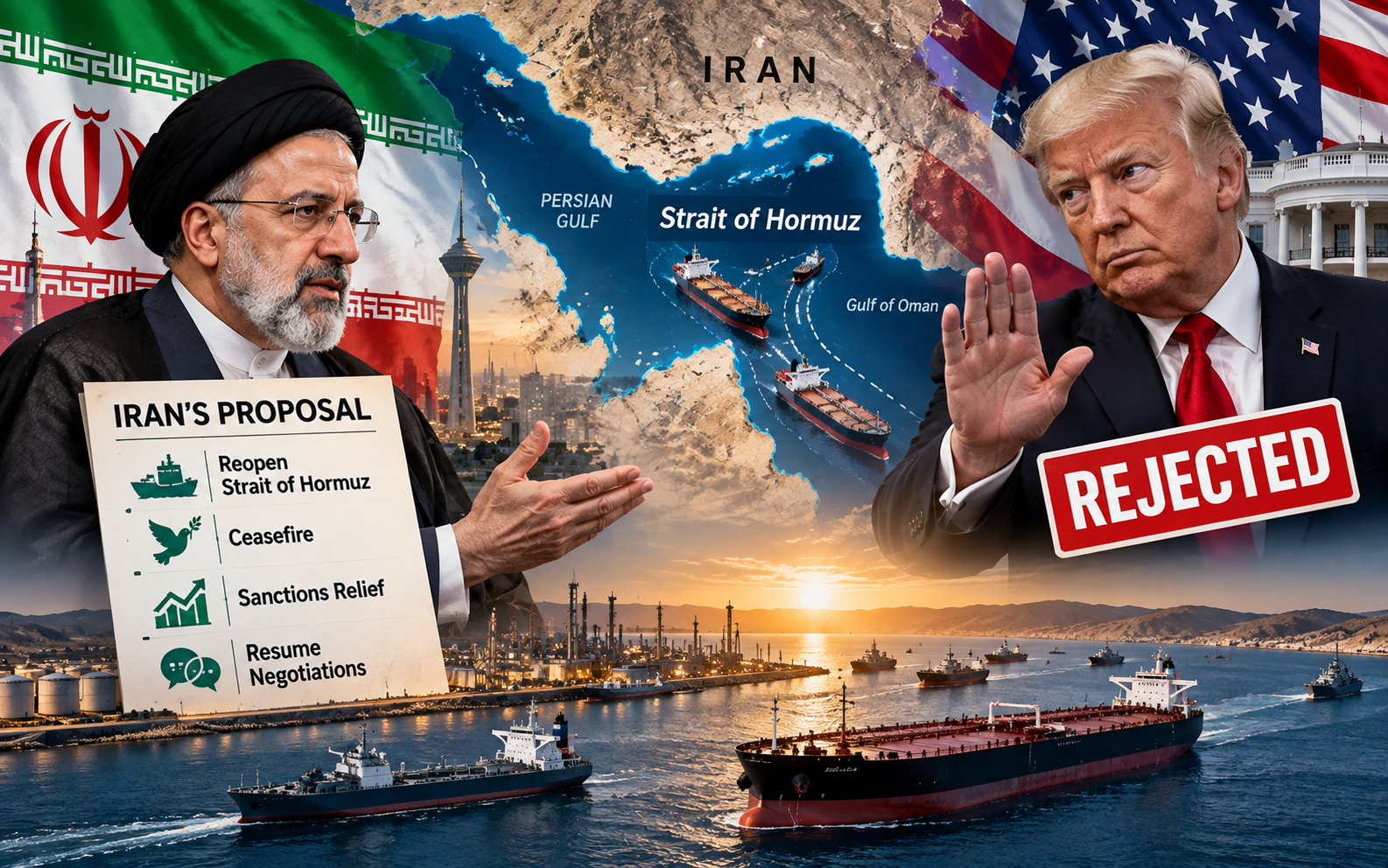
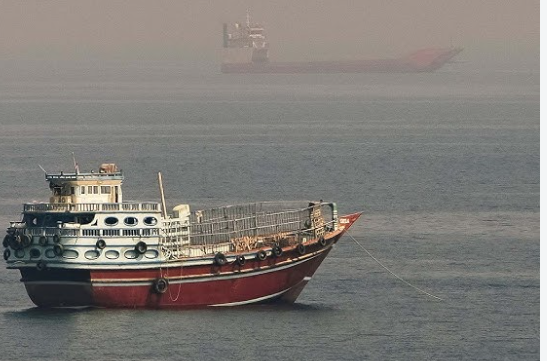
The latest fighting has renewed attention on the Strait of Hormuz, one of the world's most important energy routes. The narrow waterway between Iran, Oman and the UAE has faced severe disruption since the wider conflict began.
Iran has imposed restrictions on tanker movements through the strait, while the US continues naval operations aimed at limiting Iranian oil exports.
The renewed exchange of attacks could further threaten commercial shipping and add pressure to already volatile global energy markets.