LONDON- Relations between the UK and Israel hit a sharp decline on Tuesday after Israeli Foreign Minister Gideon Saar announced the closure of the British Consulate in Jerusalem.
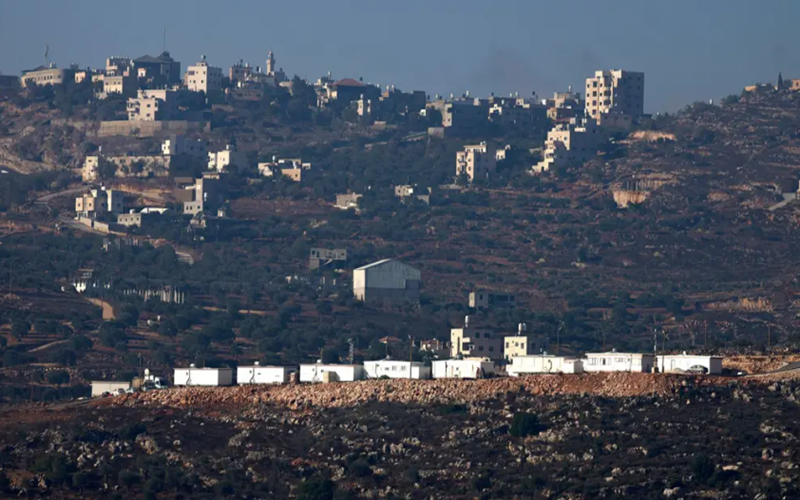
The decision is part of four major retaliatory measures implemented by the Israeli government in direct response to broad new economic sanctions introduced by the United Kingdom against illegal settlements in the occupied West Bank.
The diplomatic fallout follows a statement to Parliament by British Foreign Secretary Ed Miliband, who announced that the UK will institute a formal import ban on goods produced in West Bank settlements.
Miliband condemned violent acts in the region, accusing "settler terrorists" of carrying out "ethnic cleansing" while alleging that the Israeli administration has turned a blind eye to the situation.
Alongside the United Kingdom, eleven other nations—including France, Canada, Spain, and Poland—are implementing parallel restrictions against West Bank settlements, which are deemed illegal under international law.
Israel’s Counter-Measures
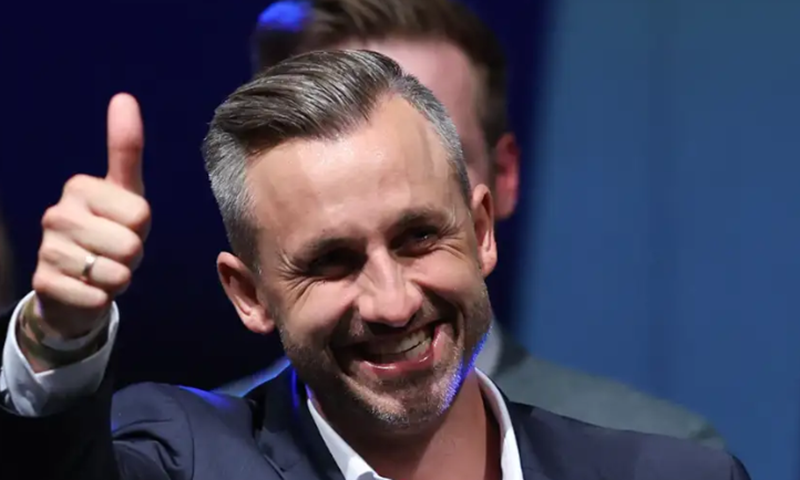
In response to the UK’s announcements, Foreign Minister Gideon Saar outlined four specific countermeasures targeting British activities and personnel:
Closure of the British Consulate in Jerusalem: Shutting down the primary UK mission operating in Jerusalem, the West Bank, and Gaza.
Travel Bans on British Officials: Denying entry to Israel for 12 British nationals—including prominent MPs such as Jeremy Corbyn, Zarah Sultana, Diane Abbott, and members of the Green Party—over alleged involvement in anti-Israel activity.
Removal from Gaza Support Operations: Terminating British representation at the International Gaza Support Center located in Kiryat Gat.
Halt to PA Security Assistance: Discontinuing operations by the British Support Team in Ramallah, which provides training to Palestinian Authority forces.
During a press briefing, Saar strongly rejected the UK's position, accusing the British Labour government of interfering in Israel's upcoming general elections and making inflammatory statements that contribute to rising global antisemitism.
Mixed Reactions Across the Political Landscape
The sanctions and subsequent diplomatic breakdown have drawn contrasting reactions globally and within the UK:
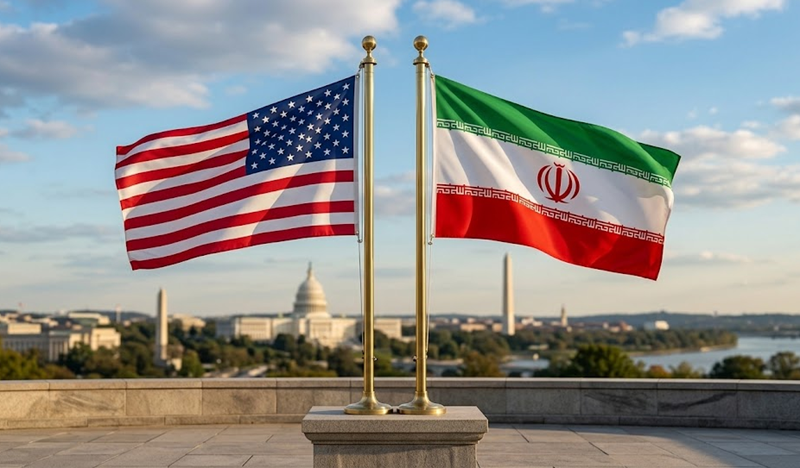
United States: US Secretary of State Marco Rubio clarified that while the White House had no official comment, Washington would not be adopting similar trade restrictions, emphasizing a desire to avoid further destabilizing the region.
UK Advocacy and Political Groups: The Green Party pushed back against the travel ban on its MPs, pledging to continue advocating for Palestinian rights. Conversely,
Chief Rabbi Ephraim Mirvis expressed deep concern over the UK's stance, describing the day as a "dark day for British Jews" and warning that the measures could exacerbate domestic extremism.Advocacy Organizations: The British Palestinian Committee welcomed the sanctions as an essential step toward holding human rights violations accountable, emphasizing that the focus must now remain on strict enforcement.