

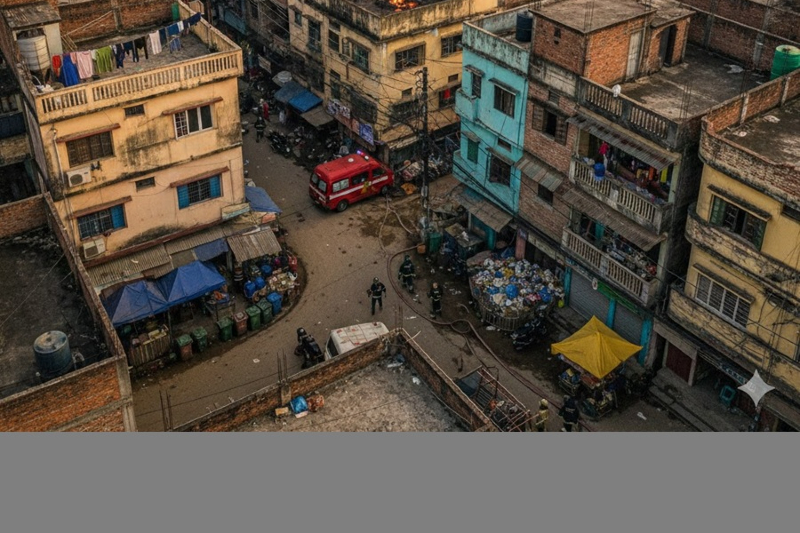
Bangladesh: Frequent earthquakes in and around Dhaka have renewed fears among experts, residents, and policymakers that the capital — along with other densely populated cities — could suffer a catastrophic disaster if a strong tremor strikes. Recent seismic activity, combined with unplanned urbanization, fragile structures, and narrow streets, paints a worrying picture.
Recent Seismic Activity: Dates and Magnitudes
| Date | Approximate Time | Magnitude (Richter) / Location / Remarks |
|---|---|---|
| 21 Nov | Morning | 5.7 — epicentre in Madhabdi, Narsingdi; depth ~10 km. Caused major damage, 10 dead, 600+ injured. |
| 27 Nov | 4:15 pm | 3.6 — epicentre in Ghorashal, Palash upazila, Narsingdi; mild tremor felt in Dhaka. |
| 1 Dec | 12:55 am | 4.9 — epicentre reportedly in Minjin, Myanmar; felt in Chattogram and parts of Bangladesh. |
| Today (early morning) | 6:14:45 am | 4.1 — epicentre in Shibpur, Narsingdi; tremor felt in Dhaka and adjacent districts. |
This string of tremors — four significant events within roughly a two-week span — has created a pervasive atmosphere of concern. The fact that most of these earthquakes trace back to Narsingdi as epicentre has heightened anxieties among residents of Dhaka, Gazipur, and nearby towns.
Why Cities and Towns Are Increasingly at Risk
Urban centres across Bangladesh, especially Dhaka, have expanded rapidly without sufficient planning or enforcement of safety standards. As a result:
Narrow roads and alleys restrict access for emergency responders — ambulances, fire engines, rescue teams.
Unplanned and unauthorized buildings proliferate, many constructed without proper engineering oversight.
Poor enforcement of building codes and lax oversight allow substandard construction to persist.
High population density, particularly in older parts of the city, increases the number of people exposed to risk in any disaster.
Old Dhaka: The Most Vulnerable Zone
A scholarly study titled “Investigating the Role of Open Spaces and Public Buildings for Earthquake Vulnerability Reduction in Old Dhaka”, conducted by Yousuf Reja and Md. — and available in the online library of Bangladesh University of Engineering and Technology (BUET), highlights deep structural vulnerabilities in Old Dhaka. The key findings:
The historic core of Dhaka suffers from unplanned development, non-engineered structures, contiguous buildings, and narrow, congested streets.
Lack of open spaces or public buildings that could serve as evacuation points or temporary shelters effectively compounds the risk.
Because earthquakes cannot be predicted — hence strike without warning — post-quake recovery depends heavily on open-space networks and accessible public buildings.
The study uses space syntax analysis, GIS mapping, and field surveys to model a rescue-and-evacuation accessibility plan for Old Dhaka. The authors conclude that integrating open spaces and public buildings into urban design could significantly enhance disaster response — but so far, such planning remains largely unrealized.
Without updated urban design guidelines, proper disaster mitigation remains, at best, theoretical.
Official Assessments: Tens of Thousands of Buildings at Risk
Following the recent spate of earthquakes, Rajuk Chairman Riazul Islam announced that approximately 300 small and large buildings in Dhaka had been officially designated “vulnerable.” However, many experts argue that this figure is a gross underestimation.
Dhaka has roughly 21.45 lakh buildings, of which independent assessments suggest over 800,000 could collapse if a strong quake hits.
Rajuk has inspected only 3,252 buildings in Dhaka and neighboring Gazipur for earthquake safety — a pittance compared to the scale of possible risk.
Both building owners and authorities share responsibility: many properties violate building codes or follow unapproved designs, but enforcement is weak or inconsistent.
Environment and housing advisers have called for urgent, coordinated action: retrofitting vulnerable structures, stricter compliance with building codes, and stronger enforcement authority.
Voices of Concern from the Ground
Residents convey a deep sense of anxiety as aftershocks continue.
Taposh Debnath, a homeowner in Sayednagar (Vatara), told reporters that authorities should immediately address structurally weak buildings.
He criticized the continued approval of new buildings under outdated or inadequate regulations, calling the practice “mysterious and dangerous.”Jane Alam, a former executive in a multinational company, compared Dhaka’s urban chaos to standards he saw abroad.
“I have never witnessed such dilapidated buildings, narrow lanes, and mismanaged infrastructure,” he said.
He argued that while many come to cities seeking opportunity, ironically, rural areas may now offer safer living conditions — because they lack congested, structurally unsound buildings and have fewer obstacles to emergency response.
Their voices reflect what many fear: that the next major quake could wreak havoc, especially in the oldest and most densely built-up parts of the city.
Conclusion: A Capital on the Brink Unless Action Is Taken
Dhaka — home to nearly 20 million people — now ranks among the region’s most earthquake-vulnerable capitals. With the nearby Madhupur Fault reportedly reactivated, pressure built up over centuries could soon unleash a major quake.
But the danger is not equal everywhere. Areas built on unstable soil, tightly packed neighbourhoods with non-engineered structures, and zones lacking emergency access or open-space corridors will suffer disproportionately.
With repeated tremors already rattling the region — including a 5.7-magnitude quake on 21 November and a 4.1-magnitude tremor just this morning — the window for preparation is rapidly closing.
Without immediate and coordinated efforts — from building retrofits and evacuation planning to urban redesign and enforcement — the next major earthquake could transform Dhaka into the epicentre of a preventable, large-scale human disaster.
পরিকল্পনাহীন নগরায়ন ও ঝুঁকিপূর্ণ ভবনের কারণে ভয়াবহ ভূমিকম্প ঝুঁকিতে ঢাকা ও দেশের অন্যান্য শহর
ঢাকাসহ দেশের বিভিন্ন স্থানে সাম্প্রতিক সময়ে ঘনঘন ভূমিকম্প অনুভূত হওয়ায় নতুন করে আতঙ্ক তৈরি হয়েছে নগরবাসীর মাঝে।
বেশিরভাগ ভূমিকম্পের কেন্দ্রস্থল ছিল রাজধানীর খুব কাছেই—নরসিংদী জেলায়। বিশেষজ্ঞরা সতর্ক করে বলেছেন, এই ঘনঘন কম্পন ইঙ্গিত দিচ্ছে যে মধুপুর ফল্টে চাপ জমছে, যা বড় ধরনের ভূমিকম্পের পূর্বাভাস হতে পারে।
সাম্প্রতিক ঘনঘন ভূমিকম্প (তারিখ ও মাত্রা)
বাংলাদেশ আবহাওয়া অধিদপ্তর ও বিভিন্ন সিসমিক নেটওয়ার্কের তথ্য অনুযায়ী, গত কয়েক মাসে ঢাকায় একাধিক ভূমিকম্প অনুভূত হয়েছে:
| তারিখ | আনুমানিক সময় | মাত্রা (রিখটার) / স্থান / মন্তব্য |
|---|
| ২১ নভেম্বর | সকাল | ৫.৭ — উৎপত্তিস্থল: মাধবদী, নরসিংদী; গভীরতা ~১০ কিমি। বড় ক্ষতি: ১০ নিহত, ৬০০+ আহত। |
| ২৭ নভেম্বর | বিকেল ৪:১৫ | ৩.৬ — উৎপত্তিস্থল: ঘোড়াশাল, পলাশ উপজেলা, নরসিংদী; ঢাকায় হালকা কম্পন অনুভূত। |
| ১ ডিসেম্বর | রাত ১২:৫৫ | ৪.৯ — উৎপত্তিস্থল রিপোর্ট অনুযায়ী মিনজিন, মিয়ানমার; চট্টগ্রাম ও দেশের বিভিন্ন এলাকায় অনুভূত। |
| আজ (সকাল) | ৬:১৪:৪৫ | ৪.১ — উৎপত্তিস্থল: শিবপুর, নরসিংদী; ঢাকাসহ আশপাশের এলাকায় কম্পন অনুভূত। |
সব ভূমিকম্পই স্বল্পমাত্রার হলেও, এর ঘনঘনতা বিশেষজ্ঞদের মতে উদ্বেগজনক।
বাংলাদেশ ভূমিকম্প প্রবণ অঞ্চলে অবস্থিত হওয়ায় এই কম্পনগুলো বড় বিপর্যয়ের পূর্বাভাস হিসেবে দেখা হচ্ছে। মধুপুর ফল্ট মাত্র ৬০ কিলোমিটার দূরে হওয়ায় যেকোনো বড় কম্পন ঢাকায় ভয়াবহ ক্ষতি ডেকে আনতে পারে।
পরিকল্পনাহীন নগরায়ন: বড় বিপদের মূল কারণ
বিশেষজ্ঞরা বলছেন, ঢাকার বড় সমস্যা হলো—
অসংগতিপূর্ণ নগরায়ন, সরু রাস্তা, অগণিত অনিয়ন্ত্রিত ভবন, দমকল-বাঁচানোর যানবাহনের প্রবেশের সুযোগ না থাকা, এবং বিপুল জনঘনত্ব।
এই পরিস্থিতিতে মাত্র ৬ মাত্রার ভূমিকম্পও ব্যাপক প্রাণহানি ঘটাতে পারে বলে আশঙ্কা রয়েছে।
পুরান ঢাকা: ঝুঁকির কেন্দ্রবিন্দু
বুয়েটের একটি গবেষণা প্রবন্ধ—
“Investigating the Role of Open Spaces and Public Buildings for Earthquake Vulnerability Reduction in Old Dhaka”—এ বলা হয়েছে, পুরান ঢাকার উচ্চ জনঘনত্ব, অ-প্রকৌশলিক ভবন, গলিঘেঁষা ঘরবাড়ি, এবং সংকীর্ণ রাস্তা এই অঞ্চলকে দেশের সবচেয়ে ঝুঁকিপূর্ণ এলাকায় পরিণত করেছে।
গবেষণায় বলা হয়েছে, পুরান ঢাকায় পর্যাপ্ত খোলা জায়গা নেই, যেখানে মানুষ আশ্রয় নিতে বা জরুরি উদ্ধার কার্যক্রম চালাতে পারে। সঠিকভাবে পরিকল্পনা করা গেলে সরকারি ভবনগুলো জরুরি সময়ে আশ্রয়কেন্দ্র হিসেবে ব্যবহার করা সম্ভব।
রাজউক: মাত্র ৩০০ ভবন ঝুঁকিপূর্ণ—কিন্তু প্রকৃত সংখ্যা লাখের কাছাকাছি
সম্প্রতি একটি সেমিনারে রাজউক চেয়ারম্যান রিয়াজুল ইসলাম বলেছেন, ৩০০ ভবনকে ঝুঁকিপূর্ণ হিসেবে চিহ্নিত করা হয়েছে।
কিন্তু বিশেষজ্ঞরা বলছেন, ঢাকায় ভবনের সংখ্যা প্রায় ২১.৪৫ লাখ, এর মধ্যে ৮ লাখের বেশি অ-প্রকৌশলিক ভবন, যেগুলোর অনেকই মাঝারি ভূমিকম্পেও ধসে পড়তে পারে।
রাজউক এখন পর্যন্ত মাত্র ৩,২৫২টি ভবন জরিপ করেছে—যা পুরো শহরের তুলনায় অতি সামান্য।
শহরের প্রকৃত ঝুঁকি তাই পরিমাণগতভাবে অনেক বেশি।
বাসিন্দাদের উদ্বেগ বাড়ছে
thereporter24–কে দেওয়া সাক্ষাৎকারে সাইদনগর (ভাটারা) এলাকার বাড়ির মালিক তপস দেবনাথ বলেন—
“ভূমিকম্পের ঝুঁকিতে থাকা ভবনগুলোর বিরুদ্ধে দ্রুত সিদ্ধান্ত নিতে হবে, তবে স্বচ্ছতার সঙ্গে। এখনো কেন পুরনো নিয়মে নতুন ভবনের নকশা অনুমোদন দেওয়া হয়—এটা রহস্যজনক।”
আরেক বাসিন্দা জাানে আলম, যিনি একটি মধ্যপ্রাচ্যের বহুজাতিক প্রতিষ্ঠানে কাজ করেছেন, বলেন—
“আমি বহু দেশে কাজ করেছি, কিন্তু ঢাকার মতো এমন নড়বড়ে ভবন, গলিতে গলি, আর বিশৃঙ্খলা কোথাও দেখিনি। মানুষ শহরে আসে ভালো জীবনের জন্য, কিন্তু বাংলাদেশে গ্রামই বেশি নিরাপদ—কারণ সেখানে সংকীর্ণ ভবন বা রাস্তা নেই, এবং অ্যাম্বুলেন্স বা দমকল আটকে যায় না।”
ঢাকায় বড় ভূমিকম্পের সম্ভাবনা ভয়াবহ
ভূমিকম্প পর্যবেক্ষণ ও গবেষণা কেন্দ্র জানিয়েছে—ঢাকার বিভিন্ন এলাকায় মাটির গঠনের পার্থক্যের কারণে ক্ষতির মাত্রাও ভিন্ন হবে। কিছু এলাকায় মাটি নরম, সেখানে আঘাত আরও বেশি হবে।
সবচেয়ে ভয়াবহ সতর্কতা এসেছে মধুপুর ফল্ট নিয়ে—
গত ৪০০ বছর ধরে চাপ জমছে। বড় ধাক্কা এলে ঢাকার বিপর্যয় কল্পনার বাইরে যেতে পারে।
প্রস্তুতির সময় দ্রুত শেষ হয়ে আসছে
বিশেষজ্ঞদের মতে এখনই জরুরি ভিত্তিতে প্রয়োজন—
বিপজ্জনক ভবন চিহ্নিত ও সংস্কার
কড়াভাবে বিল্ডিং কোড বাস্তবায়ন
দমকল ও উদ্ধার দলের প্রবেশপথ উপযোগী করে রাস্তা নকশা
খোলা জায়গা ও আশ্রয়কেন্দ্র পরিকল্পনা
রাজউকসহ সব প্রতিষ্ঠানের সমন্বিত তদারকি
যদি এখনই ব্যবস্থা না নেওয়া হয়, সাম্প্রতিক ঘনঘন ভূমিকম্পের পর বড় কম্পন ঘটলে ঢাকা একটি প্রতিরোধযোগ্য মানবিক বিপর্যয়ের মুখোমুখি হতে পারে।