
Make a Deal or Else': Trump Threatens 'Tough Action' as Iran Nuclear Talks Resume
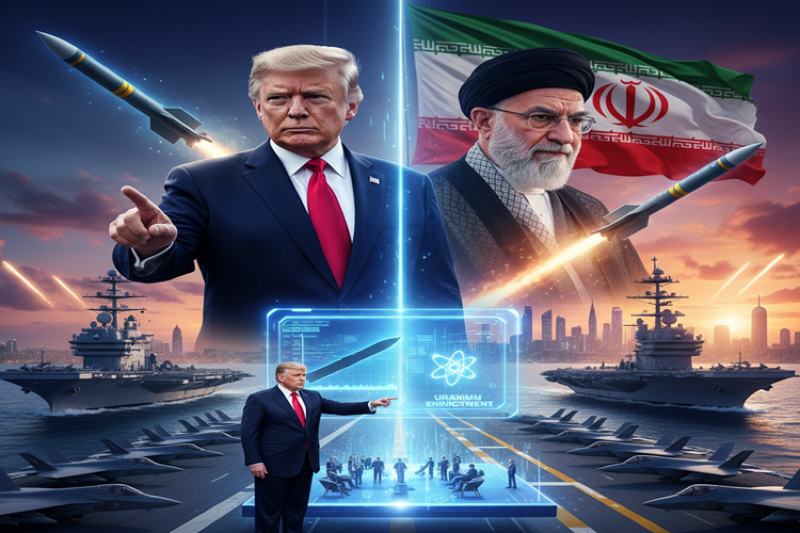
February 12, 2026: Tensions between Washington and Tehran reached a fever pitch this week as U.S. President Donald Trump warned of "very tough" consequences if ongoing diplomatic efforts fail to produce a comprehensive new agreement.
The warning comes as the two nations engage in high-stakes, indirect negotiations in Oman aimed at averting a wider regional conflict following last year’s military strikes.
Trump Weighs "Second Armada" Deployment
Speaking to reporters on Tuesday, President Trump signaled he is prepared to return to his "maximum pressure" campaign.
"Either we will make a deal or we will have to do something very tough like last time," Trump told Axios, referring to the June 2025 U.S. strikes on Iranian nuclear facilities.
"We have an armada heading there, and another one might be going."
The Oman Negotiations: A Fragile Opening
Negotiators met in Muscat last Friday for the first time since the "12-Day War" in mid-2025.
The Nuclear File: Iran has offered to "dilute" its 60% enriched uranium stockpile, but only if the U.S. lifts all economic sanctions—a demand Washington has yet to meet.
The Missile "Red Line": Tehran continues to insist its ballistic missile program is non-negotiable, while Trump has stated any deal must include "no nuclear weapons, no missiles."
Regional Influence: The U.S. is pushing for restrictions on Iran-backed groups in the region, which Tehran views as outside the scope of nuclear talks.
Netanyahu Urges Firm Stance in DC
The diplomatic tension was further underscored by Israeli Prime Minister Benjamin Netanyahu’s arrival in Washington on Wednesday.
The Israeli leader is expected to press Trump to include strict limitations on Iran’s regional proxies and long-range missiles, arguing that a nuclear-only focus leaves Israel vulnerable to conventional threats.
Military Readiness at Al-Udeid
The rhetoric is being matched by activity on the ground. Satellite imagery from the Al-Udeid Air Base in Qatar shows U.S. forces placing Patriot missiles into mobile truck launchers.
Analysts suggest this is a defensive posture meant to protect U.S. assets from potential Iranian retaliatory strikes should diplomacy collapse.
With the next round of talks expected next week, the international community remains on edge. As Vice President JD Vance noted on Monday, the "red line" for these negotiations rests solely with President Trump.