
Global Politics in Motion: A World at a Crossroads
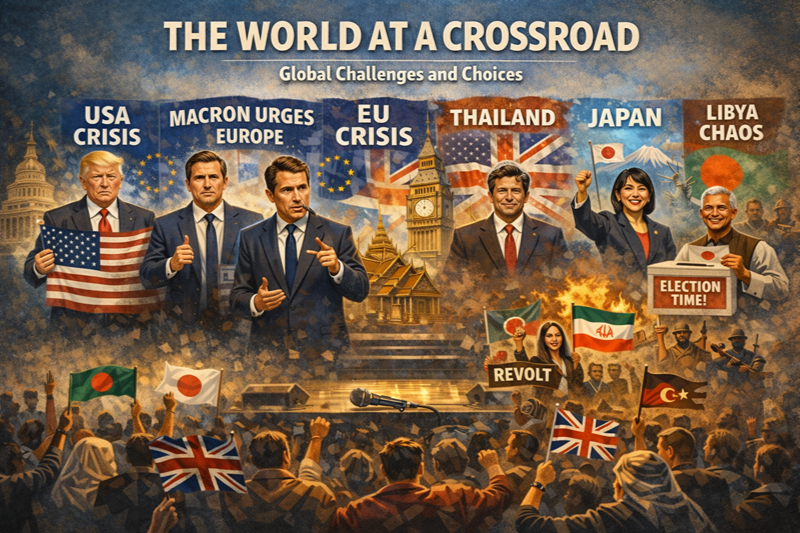
February 12, 2026: Across continents, nations are facing critical political transitions. Long‑standing leadership, interim arrangements, public unrest and legal controversies are reshaping the global landscape.
In some countries, elections have already shifted power; in others, leadership is under pressure. Civil movements and diplomatic tensions further underscore a world in dynamic transition.
Supporters and critics alike are closely watching how these developments unfold, and whether they will influence broader political alignments or electoral outcomes in the coming years.
This report explores the major political developments shaping countries today — emphasizing their unique contexts, the challenges leaders face, and what these changes mean for the future.
🇬🇧 United Kingdom: Leadership Under Scrutiny
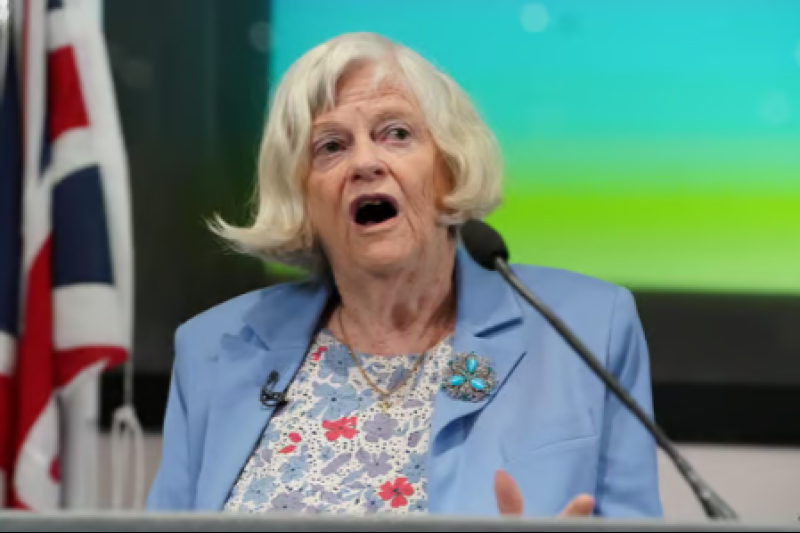
In the United Kingdom, Prime Minister Keir Starmer’s leadership is facing mounting scrutiny amid political strains and internal dissent. Starmer’s Labour Party had secured a large majority in the 2024 election, but a series of domestic challenges — including senior staff resignations and public pressure — have intensified debate over his continued leadership.
The UK has seen several prime ministers in recent years, and speculation about potential successors is growing. Whether Starmer can regain political momentum or whether a leadership change becomes imminent remains a key question for British politics in 2026.
🇺🇸 United States: Drama on the National Stage
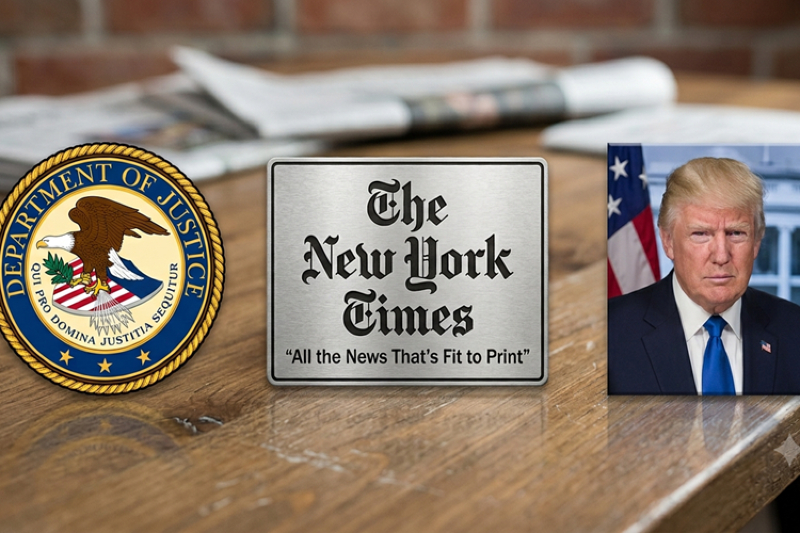
In the United States, former President Donald Trump finds himself center stage again amid legal and political turmoil linked to the Jeffrey Epstein case.
New FBI disclosures and court proceedings have renewed scrutiny on powerful figures connected to Epstein, thrusting Trump into the spotlight.
Supporters watch anxiously, critics sharpen their commentary, and the nation debates what the next act will bring—every hearing, filing, or statement becoming a cue that could alter the trajectory of his public and political life. Like a superstar abruptly leaving the stage mid-concert, uncertainty grips audiences nationwide.
Political observers think President Donald Trump is confronting sustained legal and political pressures that differ from past controversies.
While previous scandals tested his support, the current issues — including ongoing inquiries — have raised questions about his future role in national politics.
Macron Urges Europe to Step Up as a Global Power 🇪🇺
Ahead of the Brussels EU summit, French President Emmanuel Macron has urged Europe to step up as a genuine world power. Citing rising pressures from China, Russia, and an unpredictable United States, he called the moment a “wake-up call” for the continent.
Macron asked whether Europe is ready to assert itself not only economically and financially but also in defence, security, and democratic resilience.
He stressed that while Europe has long focused on integration and markets, it must now embrace geopolitical power.
Central to his vision is a push for EU-wide shared borrowing, or eurobonds, to fund major investments in industry, defence, clean energy, and artificial intelligence. “The time has come to launch a shared debt capacity to finance our future needs,” Macron said.
However, the French president faces a major challenge: convincing Germany and the northern EU countries to follow his lead.
With internal divisions and differing priorities, Europe’s path to strategic autonomy remains uncertain, making this summit a critical test of the EU’s ability to act collectively on the world stage.
🇮🇷 Iran: Unrest, Repression, and Political Fracture
Iran is navigating deep internal unrest following the aftermath of regional conflict and sustained economic challenges.
Large‑scale protests and anti‑government demonstrations have reflected widespread frustration over economic hardship and political repression.
The state’s response has included heightened security measures and crackdowns on dissent, creating an environment of tension and uncertainty.
Diplomatic engagements — including ongoing talks with the United States — continue, but the domestic situation remains fragile. If diplomatic efforts falter, the risk of escalation or internal political change could increase.
🇷🇺🇺🇦 Continued Russia-Ukraine War
The conflict between Russia and Ukraine continues to cast a shadow over millions of lives, with civilians bearing the brunt of violence and disruption. Families, women, and children are particularly vulnerable, facing displacement, loss of homes, and daily insecurity. The ongoing hostilities highlight the urgent need for dialogue and negotiation, as lasting peace is the only way to protect innocent lives and allow communities to rebuild. It is imperative for all parties to prioritize humanitarian concerns and work toward an immediate cessation of fighting.
🇸🇾 Syria: Victory Amid Continuing Challenges
Following a nationwide movement that led to the toppling of the Assad regime, Syria now has a government led by the leaders who emerged from the demonstrations. The people’s struggle for change has been recognized, and many hope this marks the beginning of a new era of peace and unity.
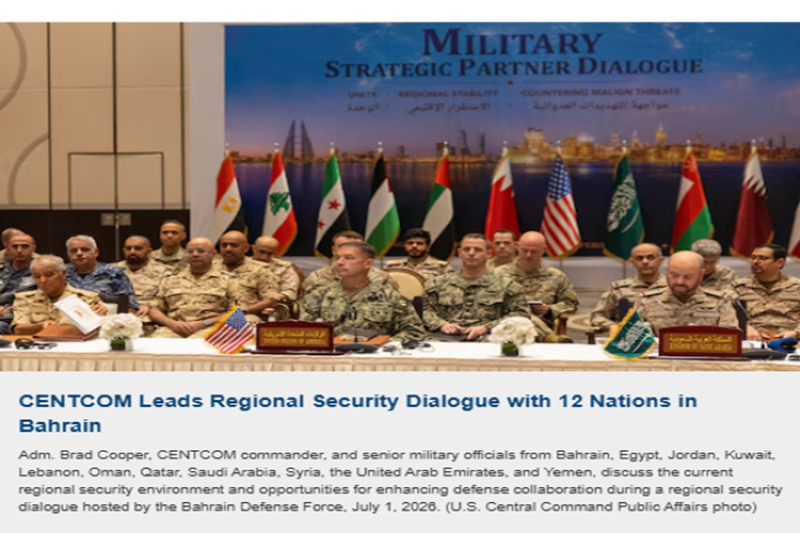
In a significant development, the Syrian government has assumed control of the strategic al-Tanf base near the Iraqi and Jordanian borders after US forces withdrew after nearly a decade. This move symbolizes the consolidation of national authority and the gradual restoration of sovereignty over key areas.
Yet, despite these advances, the nation continues to face unexpected turbulence. Rebuilding trust, ensuring security, and fostering social cohesion remain urgent priorities. Syrians, who have endured years of conflict, now look toward a future where peace can finally take root, even as the road ahead remains fragile and uncertain.
🇱🇾 Libya: Fragile State and Leadership Vacuum
More than a decade after the fall of Muammar Gaddafi, Libya continues to struggle with national unity. Competing power centers govern different regions, and efforts to hold elections have repeatedly stalled.
The recent assassination of Saif al‑Islam Gaddafi, a presidential candidate, highlights both the volatility and unresolved tensions in Libyan politics.
The nation faces the pressing task of building consensus among factions to restore stability, legitimacy and democratic process.
Without effective collaboration, Libya’s political fragmentation may persist, delaying reconstruction and reconciliation.
🇯🇵 Japan: Continuity and New Mandate
Japan has completed its national election, resulting in a resounding victory for the ruling Liberal Democratic Party (LDP) under Prime Minister Sanae Takaichi.
The party secured a super‑majority in the lower house, giving it powerful legislative authority for the next four years.
This strong mandate strengthens the government’s ability to pursue long‑term policy goals, from economic reforms to national security priorities.
It also reflects a period of relative domestic stability and public confidence in the ruling coalition’s vision.
🇹🇭 Thailand: Conservative Comeback
In Thailand’s recent general election, the Bhumjaithai Party — aligned with Prime Minister Anutin Charnvirakul — has won the largest number of seats, marking a notable resurgence for conservative politics.
With strong support, the party is positioned to lead the next government, navigating a political landscape shaped by demands for growth and national unity.
Meanwhile, voter turnout was lower than in previous elections, signaling both satisfaction in some quarters and disengagement in others — a complexity the incoming government will need to address.
🇧🇩 Bangladesh: Election Amid a Critical Transition
Bangladesh is holding a pivotal general election after a period of national upheaval in 2024. An interim government led by Nobel Laureate Prof. Muhammad Yunus has overseen state affairs since the previous administration was ousted.
Today’s voting marks a critical moment as power shifts are likely through the electoral process. The political atmosphere is charged, with key parties contesting fiercely and the electorate deeply engaged in shaping the nation’s next chapter.
The outcome will not only set the course for Bangladesh’s domestic agenda but also signal how the country navigates democratic transition after a period of intense political contestation.
🧭 Conclusion: A World in Political Transition
From South Asia to Europe and the Middle East, the global political landscape is in motion. Some nations are reinforcing leadership through elections; others are confronting crises of confidence and governance. Internal movements, legal battles and diplomatic negotiations are reshaping how countries envision their futures.
While the timelines and outcomes differ, the overarching trend is clear: power and governance are being actively contested, reshaped and reimagined. Whether these changes usher in stability or further turbulence will depend on political leadership, public engagement and the capacity to bridge divisions.
Across every nation, society is often divided into three broad groups: those in power, those in opposition, and a majority neutral group. The neutral citizens do not actively seek confrontation or support violence—they simply want stability, security, and a better future for them and the nation. Yet their interests are frequently overlooked as political battles unfold. When power shifts from one group to another, or when conflicts continue, it is this silent majority that bears the brunt of instability, disruption, and uncertainty. Protecting their welfare is essential for lasting peace and meaningful progress.